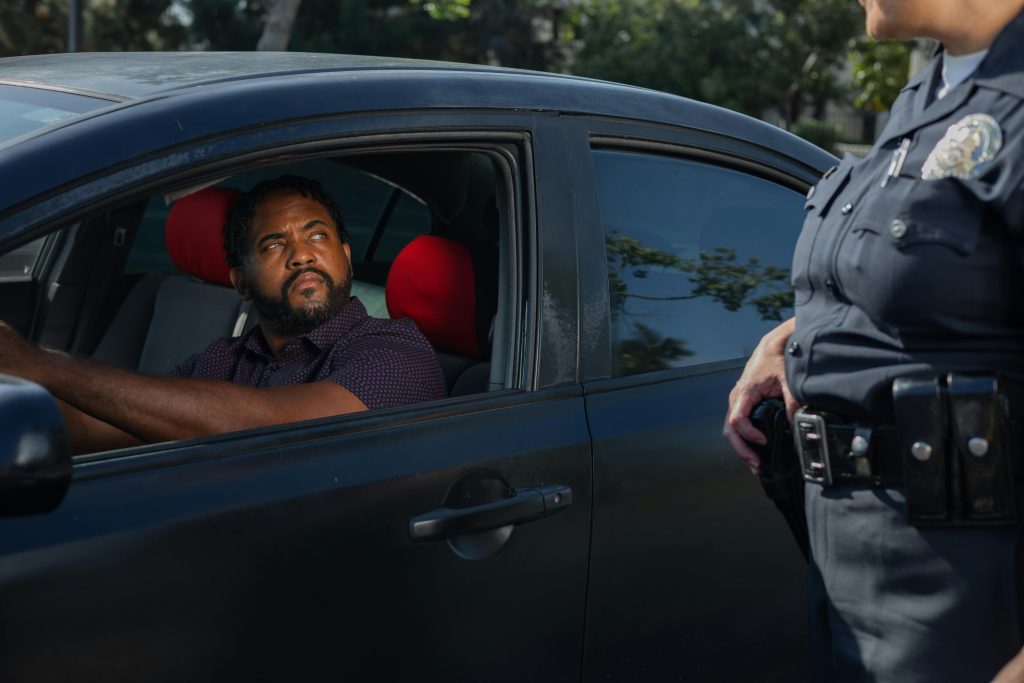
If you are wondering what happens if you drive without insurance, the answer depends on your state, whether you were stopped by police, whether there was an accident, whether your coverage lapsed, and whether you can prove you had valid insurance at the time.
In general, driving without insurance can create legal, financial, and insurance problems. You may face a ticket, fines, license or registration issues, vehicle penalties, and higher future insurance costs. If an accident happens, the consequences can be much more serious because you may have to pay for damages out of pocket.
This guide explains the common consequences of driving uninsured and the practical steps to take next. It is general information, not legal advice.
Is It Illegal to Drive Without Insurance?
In most states, drivers must carry auto insurance or another accepted form of financial responsibility before driving on public roads. The exact rules vary by state, and some states have different options or proof requirements.
Because insurance laws are not the same everywhere, you should check your state DMV, motor vehicle agency, court notice, or state insurance department for instructions that apply to your situation.
The main point is simple: if you drive without car insurance when your state requires coverage, you may face penalties even if you do not cause an accident.
What Can Happen If You Are Caught Driving Without Insurance?
If you are caught driving without insurance, the consequences can vary based on your state, your driving record, whether this is a first offense, and whether an accident occurred. A traffic stop for speeding, a registration issue, or another violation can quickly turn into a bigger problem if you cannot show valid proof of insurance.
| Possible consequence | What it may mean |
|---|---|
| Ticket or citation | You may receive a citation for driving uninsured or failing to show proof of insurance. |
| Fines | You may have to pay fines or court-related costs, depending on your state and situation. |
| License suspension | Your driver’s license may be suspended until you meet certain requirements. |
| Registration suspension | Your vehicle registration may be suspended or blocked from renewal. |
| Vehicle impoundment | Your vehicle may be towed or impounded in some situations. |
| Reinstatement fees | You may need to pay fees before your license or registration is restored. |
| Proof of financial responsibility | You may be required to file proof of financial responsibility, such as SR-22 or FR-44 where applicable. |
| Higher future premiums | Insurers may view a lapse, ticket, or uninsured-driving history as a higher-risk factor. |
| More difficulty finding coverage | Some drivers may have fewer options after driving uninsured, especially after a ticket or accident. |
After certain insurance or license-related problems, some drivers may be told they need an SR-22 or FR-44 filing. These terms are often confused, but they are not the same. If you are comparing both, read our guide to the SR-22 vs. FR-44 difference.
What Happens If You Have an Accident Without Insurance?
An accident without insurance is usually the highest-risk situation. If you cause the crash, you may be personally responsible for vehicle damage, injuries, property damage, legal costs, and other expenses.
Without an insurer defending or paying covered claims for you, the other driver, passengers, property owners, or other affected people may seek payment directly from you. If someone is hurt, the financial consequences can be serious.
Your own vehicle is also at risk. If you have no car insurance and your car is damaged, you may not have an insurer to help pay for repairs or replacement. You may also have to handle communication, documentation, and claims-related issues on your own.
Even if the other driver was at fault, driving without insurance may still create separate penalties or limit certain options depending on state law. After any crash, focus on safety, documentation, and following official instructions. For a broader accident checklist, see what to do after a car accident.
Can You Get in Trouble If the Accident Was Not Your Fault?
Yes. Fault for the accident and driving without required insurance can be treated as separate issues. Even if another driver caused the crash, you may still face a ticket, administrative penalty, or other consequence for driving uninsured.
In some states, uninsured drivers may also face limits on certain types of recovery after an accident. Because these rules vary, check official state instructions or speak with a qualified professional if you have legal questions.
The safest approach is to avoid driving until coverage is active and you have valid proof of insurance available.
What If Your Insurance Lapsed by Accident?
A car insurance lapse means there was a gap in active coverage. A lapse can happen because of missed payments, nonrenewal, cancellation, address or payment issues, or misunderstanding when a new policy starts.
A lapse can happen when your policy expires, is canceled for nonpayment, or ends before a new policy begins. If you are not sure how policy terms, renewal dates, and expiration dates work, read our guide on how long car insurance lasts.
If your coverage lapsed, do not assume you are still protected. Avoid driving until you confirm that coverage is active again. Contact your insurer, ask whether reinstatement is possible, or shop for a new policy if needed.
Before you drive, confirm the policy’s effective date and time. Keep your insurance ID card, app, or other accepted proof of insurance accessible.
What If You Have Insurance But Cannot Show Proof?
There is a difference between being uninsured and being unable to show proof. You may have valid coverage but not have your insurance ID card, app, or document available during a traffic stop.
Depending on state rules, you may still receive a citation for failing to show proof. In some situations, you may be able to provide proof later to reduce or resolve the issue, but you should follow the instructions on the ticket, court notice, or DMV notice.
To avoid this problem, keep digital and paper proof of insurance where you can access it quickly. Make sure the document is current and matches the vehicle you are driving.
Will Driving Without Insurance Affect Future Rates?
Driving without insurance may affect future premiums. A lapse, ticket, accident, or proof-of-financial-responsibility requirement can make coverage more expensive, depending on the insurer, state, and your driving history.
Insurance companies often price policies based on risk. If your record shows driving uninsured, a coverage gap, or an accident, some insurers may see you as more likely to file a claim or miss payments. That can lead to higher quotes or fewer policy options.
Many factors influence why car insurance can be expensive, so the effect will not be the same for every driver.
Some drivers may also fall into a higher-risk category after being caught driving without insurance, especially if there are related violations or crashes. Learn more about car insurance for high-risk drivers if you are having trouble finding coverage.
What Coverage Are You Missing When You Drive Without Insurance?
When you drive uninsured, the biggest missing protection is usually liability protection. Liability coverage is designed to help pay for injuries or property damage you cause to others, up to your policy limits. For a deeper explanation, see liability insurance.
You may also be missing coverage for your own vehicle, medical-related coverage where available, uninsured or underinsured motorist protection, and help from an insurer during the claims process.
Uninsured motorist coverage may help someone who is hit by an uninsured driver, depending on the policy and state rules. However, it is not a substitute for carrying your own required insurance.
How Much Could Driving Without Insurance Cost You?
The cost of driving without insurance can include fines, reinstatement fees, towing or impound fees, repair bills, medical expenses, legal costs, and higher future premiums.
There is no single cost that applies to every driver. The total depends on your state, whether you were pulled over, whether your license or registration was affected, whether you caused an accident, and whether anyone was injured.
In many cases, the total cost after an accident can be much higher than the cost of maintaining coverage. To compare the bigger picture, see how much car insurance costs.
What Should You Do If You Have Been Driving Without Insurance?
- Stop driving until you have valid coverage.
- Check whether your old policy is active, canceled, or eligible for reinstatement.
- Get quotes if you need a new policy.
- Be honest about lapses, tickets, or accidents when applying.
- Choose coverage that meets state requirements and your financial needs.
- Confirm the effective date and time before driving.
- Keep proof of insurance accessible in your car and on your phone.
- Follow any DMV, court, or state instructions you receive.
How to Avoid Driving Without Insurance Again
- Set payment reminders before your premium due date.
- Use autopay only if you can keep enough funds available.
- Review renewal, cancellation, and nonrenewal notices right away.
- Keep your mailing address, email, and payment method updated.
- Do not cancel an old policy until the new one is active.
- Keep proof of insurance in your car and on your phone.
- Review your policy before it expires.
Common Mistakes to Avoid
- Assuming a grace period always applies.
- Driving while waiting for a new policy to start.
- Ignoring cancellation or nonrenewal notices.
- Using expired or inaccurate proof of insurance.
- Assuming someone else’s policy automatically covers you.
- Buying the cheapest policy without understanding limits.
- Not listing regular drivers correctly.
- Waiting until after an accident to fix coverage.
Driving Without Insurance FAQs
What happens if you drive without insurance?
If you drive without insurance, you may face a ticket, fines, license or registration issues, vehicle penalties, and higher future insurance costs. If you cause an accident, you may also be personally responsible for damage, injuries, and other expenses.
What happens if you get pulled over without insurance?
If you get pulled over without insurance, the officer may issue a citation. Depending on your state and situation, you may also face fines, license or registration consequences, or requirements to provide proof of financial responsibility.
Can you go to jail for driving without insurance?
In some states or serious repeat-offense situations, stronger penalties may apply. Rules vary by state, so check official state, court, or DMV instructions if you are facing a citation or legal notice.
What happens if you crash without insurance?
If you crash without insurance and you are at fault, you may have to pay for vehicle damage, injuries, property damage, legal costs, and related expenses yourself. You may also face separate penalties for driving uninsured.
What if I have insurance but cannot show proof?
If you have insurance but cannot show proof, you may still receive a citation depending on state rules. You may be able to provide valid proof later, but you should follow the instructions on the citation or official notice.
What should I do if my insurance lapsed?
Stop driving until coverage is active again. Contact your insurer to see whether reinstatement is possible, or shop for a new policy. Confirm the effective date and keep proof of insurance before you get back on the road.
Can I drive a car I just bought without insurance?
You should not assume you can drive a newly purchased car without insurance. Coverage rules for newly acquired vehicles vary by policy and state. Contact your insurer before driving the car and confirm that coverage is active.
Can someone else’s insurance cover me?
Sometimes a vehicle owner’s policy may apply when another person drives the car with permission, but this depends on the policy, the driver, the vehicle, and the situation. Do not rely on someone else’s insurance without confirming coverage first.
Will driving without insurance raise my future rates?
It may. A lapse, uninsured-driving citation, accident, or filing requirement can affect future premiums. The impact varies by insurer, state, and driving history.
How do I get insured after driving without insurance?
Start by getting quotes from insurers that serve your state. Be honest about any lapse, ticket, or accident. Choose a policy that meets state requirements, confirm the effective date, and keep proof of insurance available.
Conclusion
What happens if you drive without insurance depends on your state and the situation, but the risks can be serious. Driving uninsured can create legal problems, financial stress, insurance difficulties, and major out-of-pocket costs after an accident.
The safest next step is to stop driving until coverage is active, get valid insurance, keep proof accessible, and follow any official DMV, court, or state instructions. If an accident happened, careful documentation and prompt action matter.