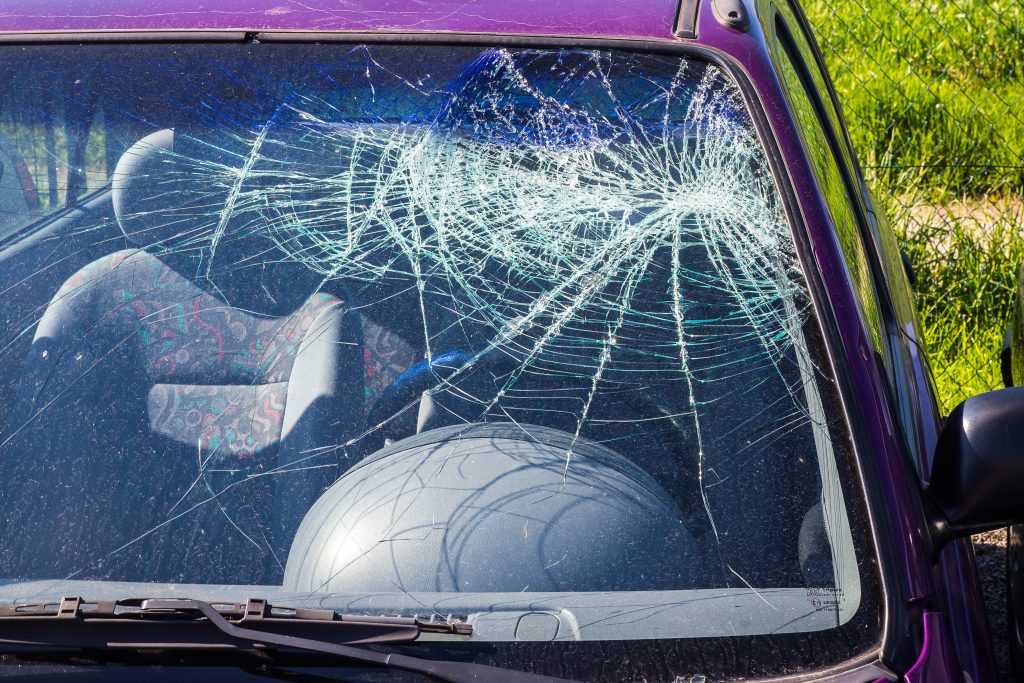
Car insurance may cover a cracked windshield if you have the right coverage, but it is not automatic. In many cases, windshield damage is handled through comprehensive coverage, especially when the crack is caused by road debris, hail, vandalism, falling objects, or another non-collision event. However, the answer depends on what caused the crack, your policy terms, your deductible, and whether the windshield can be repaired or must be replaced.
If you only carry liability insurance, your own cracked windshield usually is not covered. Liability coverage is designed to pay for injuries or property damage you cause to others, not to repair your own vehicle. That is why the real question is not only will insurance cover cracked windshield damage, but also which coverage you have, what caused the damage, and whether filing a claim makes financial sense.
Does Car Insurance Cover a Cracked Windshield?
So, does car insurance cover a cracked windshield? Sometimes. A cracked windshield may be covered when the damage falls under a coverage type included in your policy. The most common coverage for windshield cracks is comprehensive coverage, but collision coverage may apply if the windshield broke during a crash.
Here is the basic breakdown:
- Comprehensive coverage may apply if the crack was caused by a non-collision event, such as a rock, hail, vandalism, or falling object.
- Collision coverage may apply if the windshield was damaged in a crash with another vehicle or object.
- Liability-only insurance usually does not apply because it does not pay to repair your own car.
- Your deductible matters because the repair or replacement cost may be lower than the amount you would have to pay first.
Coverage also depends on policy details. Some insurers handle glass claims differently from other claims. Some policies may include special glass repair benefits, while others may apply the normal comprehensive deductible. Always check your declarations page and policy language before assuming the damage is covered.
When Comprehensive Coverage May Pay for Windshield Damage
Comprehensive coverage is usually the first coverage to check when windshield damage happens outside of a crash. In simple terms, comprehensive insurance may help pay for damage to your vehicle caused by covered events other than a typical collision.
Does comprehensive insurance cover windshield cracks? It may, depending on your policy and the cause of the damage. Common examples can include:
- Flying rocks or road debris
- Hail damage
- Falling branches or falling objects
- Vandalism
- Theft or attempted theft
- Storm damage
- Certain weather-related events
For example, if a rock flies up from the highway and cracks your windshield, that is typically a comprehensive-type claim rather than a liability claim. If a storm causes a tree branch to fall and break the glass, comprehensive coverage may also be the coverage you would look to first.
For a broader explanation of how comprehensive and collision work together, you can read this guide to collision and comprehensive insurance. This page, however, stays focused specifically on windshield crack repair insurance and whether your policy may pay for glass repair or replacement.
When Collision Coverage May Apply
Collision coverage may apply if the windshield damage happens because of a crash. This is different from a rock chip or weather damage claim. Collision coverage is usually tied to impact with another vehicle or object.
Examples may include:
- Hitting another vehicle
- Hitting a pole, guardrail, fence, wall, or mailbox
- A rollover accident
- Crash-related impact that breaks or cracks the windshield
If the cracked windshield is part of a larger accident claim, the windshield may be handled along with the other vehicle damage. In that situation, the collision deductible may apply, and the decision to file is usually about the entire accident repair cost, not just the glass.
When a Cracked Windshield May Not Be Covered
A cracked windshield may feel like sudden damage, but insurance does not pay for every glass problem. The cause of the damage and your policy terms matter.
Insurance may not pay for a cracked windshield if:
- You only have a liability-only policy.
- The repair or replacement cost is lower than your deductible.
- The damage was caused by normal wear and tear.
- The crack existed before the policy started.
- The problem was caused by poor installation or maintenance issues.
- The vehicle was being used in a way excluded by the policy.
- The damage was intentional.
- The damage is only cosmetic and not covered by the policy terms.
This is why a windshield repair insurance claim is not guaranteed just because you have an auto insurance policy. You need the right coverage, a covered cause of loss, and a claim that makes sense after the deductible is considered.
Will You Have to Pay a Deductible?
Maybe. A cracked windshield insurance deductible depends on your policy, the type of claim, and how your insurer handles glass damage. Some policies apply the normal comprehensive deductible. Other policies may offer reduced or waived deductibles for certain glass repairs. Some drivers may also have optional glass coverage that changes the out-of-pocket cost.
Do not assume windshield repair is always free. Also, do not assume a deductible always applies. The correct answer depends on your specific policy.
Before filing a claim, compare:
- The estimated cost of repair
- The estimated cost of replacement
- Your comprehensive or collision deductible
- Any glass-specific benefits on your policy
- Whether the insurer requires or recommends certain repair vendors
For example, if your deductible is $500 and a windshield repair costs $120, filing a claim may not help. If replacement costs much more than your deductible, a windshield replacement insurance claim may make more sense, assuming the damage is covered.
Windshield Repair vs. Windshield Replacement
Whether the windshield can be repaired or must be replaced depends on the size, depth, location, and severity of the damage. Repair is often cheaper than replacement, but safety and visibility matter more than price.
| Damage Type | Possible Fix | Insurance Consideration |
|---|---|---|
| Small chip | Repair may be possible | Insurers may prefer repair because it is usually cheaper than replacement. |
| Short crack | Repair may be possible depending on size and location | A repair claim may be worth checking if your policy has glass benefits. |
| Long crack | Replacement is more likely | Replacement cost may be high enough to compare against your deductible. |
| Crack in driver’s line of sight | Replacement may be recommended | Visibility and safety can matter more than the cheapest option. |
| Damage near windshield edge | Replacement is often more likely | Edge damage can affect windshield strength and may be harder to repair safely. |
| Multiple cracks | Replacement is more likely | A larger claim may make insurance more useful if covered and above the deductible. |
Will car insurance pay for windshield repair? It may if the damage is covered and the policy includes the right protection. However, if repair is inexpensive, paying out of pocket may still be simpler than opening a claim.
Should You File an Insurance Claim for a Cracked Windshield?
Filing a claim may make sense if the windshield replacement is expensive, the damage is covered, and the cost is clearly higher than your deductible. Paying out of pocket may make more sense if the repair cost is lower than, equal to, or only slightly above your deductible.
You may want to file a claim if:
- The damage was caused by a covered event.
- You have comprehensive coverage or applicable collision coverage.
- The windshield needs replacement, not just a small repair.
- The cost is much higher than your deductible.
- Your policy includes glass coverage that reduces your out-of-pocket cost.
You may want to pay out of pocket if:
- The crack can be repaired cheaply.
- The repair cost is below your deductible.
- The insurer would pay little or nothing after the deductible.
- You have a recent history of multiple claims and want to avoid another one if possible.
If you decide to proceed, keep the claim focused on the glass damage and provide clear photos, the date of damage, and an explanation of what happened. For a broader walkthrough of the claims process, see this guide on how to file a car insurance claim.
Will a Windshield Claim Raise Your Insurance Rate?
A windshield claim may or may not affect your rate. It depends on your insurer, your state’s rules, your claim history, the type of claim, and how the policy is rated. A small glass repair claim may be treated differently from an at-fault accident, but there are no guarantees.
One isolated glass claim may have little impact with some insurers. Multiple claims in a short period can matter more because they may suggest a higher risk pattern. A replacement claim may also be viewed differently from a minor repair, depending on the company and circumstances.
Before filing, you can ask your insurer:
- Will this be recorded as a comprehensive glass claim?
- Could this affect my renewal premium?
- Is repair handled differently from replacement?
- Does my policy include a glass deductible or special glass benefit?
The key is to avoid guessing. If the savings from the claim are small, it is worth asking questions before opening the claim.
What to Do If Your Windshield Cracks
If your windshield cracks, act quickly. A small chip can spread into a long crack because of heat, cold, vibration, or road conditions.
- Check if the crack affects visibility. If it blocks your view, treat it as a safety issue.
- Avoid driving if it is unsafe. A damaged windshield can reduce visibility and may compromise safety.
- Take photos of the damage. Capture the crack from inside and outside the vehicle.
- Review your policy. Look for comprehensive coverage, collision coverage, or glass coverage.
- Check your deductible. Compare it with the likely repair or replacement cost.
- Get an estimate. Ask whether repair is possible or replacement is recommended.
- Ask the insurer how glass claims are handled. Confirm deductibles, vendors, and possible rate impact.
- Decide whether to file or pay out of pocket. Use the cost, deductible, safety issue, and claim history to decide.
Common Mistakes to Avoid
Many windshield claims become confusing because drivers assume the answer before checking the policy. Avoid these common mistakes:
- Assuming liability coverage pays to fix your own windshield.
- Ignoring a small chip until it spreads into a larger crack.
- Filing a claim without checking the deductible first.
- Assuming full coverage car insurance means every glass claim is fully paid.
- Choosing the cheapest repair without considering safety or visibility.
- Waiting too long when the crack affects the driver’s line of sight.
- Not asking whether OEM or aftermarket glass will be used.
- Not confirming whether recalibration is needed for advanced driver assistance systems.
Modern vehicles may have cameras or sensors connected to the windshield area. If replacement is needed, recalibration can add cost. That cost may or may not be handled the same way under every policy, so ask before authorizing the work.
Frequently Asked Questions
Will insurance cover a cracked windshield?
Insurance may cover a cracked windshield if you have comprehensive coverage, glass coverage, or applicable collision coverage. Liability-only insurance usually does not pay to repair your own windshield.
Does comprehensive insurance cover windshield cracks?
Comprehensive insurance may cover windshield cracks caused by non-collision events such as road debris, hail, falling objects, vandalism, theft, or storm damage, depending on your policy.
Does full coverage cover windshield replacement?
Does full coverage cover windshield replacement? Often, but not always. Full coverage usually includes comprehensive coverage, which may cover windshield replacement. However, deductibles, exclusions, and glass-specific rules still matter.
Do I have to pay a deductible for windshield repair?
You may have to pay a deductible, but not in every situation. Some policies handle small glass repairs differently, and some may offer special glass benefits. Check your policy before assuming the repair is free or fully out of pocket.
Should I file a claim for a cracked windshield?
Filing may make sense if replacement is expensive and the damage is covered. Paying out of pocket may make more sense if the repair cost is lower than or close to your deductible.
Will a windshield claim increase my insurance?
It depends on the insurer, claim history, policy, state rules, and whether the claim is treated as a minor glass repair or a larger replacement claim. Ask your insurer how glass claims are handled before filing.
Does liability insurance cover windshield damage?
Usually no. Liability insurance generally pays for injuries or property damage you cause to others. It usually does not repair your own cracked windshield.
Is a cracked windshield covered if a rock hits it?
A rock hitting your windshield is commonly handled as a comprehensive claim if you carry comprehensive coverage. Whether insurance pays depends on your policy, deductible, and claim details.
Does insurance cover windshield replacement after vandalism?
Insurance may cover windshield replacement after vandalism if you have comprehensive coverage and the loss is covered by the policy. For a broader explanation, read more about whether car insurance covers vandalism and theft.
Can I repair a windshield crack instead of replacing it?
Sometimes. Small chips and short cracks may be repairable, especially if they are not in the driver’s direct line of sight and not near the windshield edge. Long cracks, multiple cracks, edge damage, or visibility problems often require replacement.