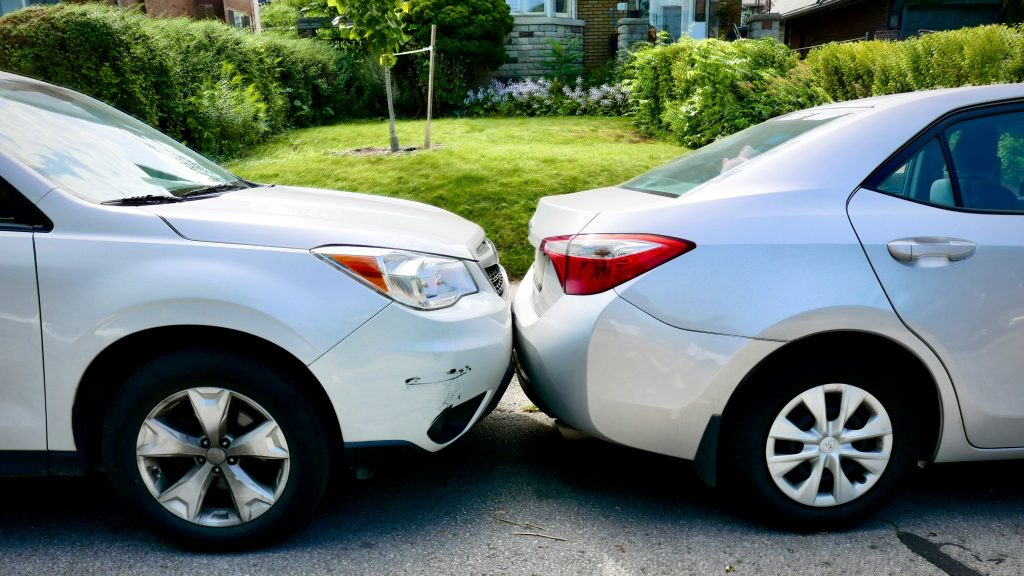
Collision vs comprehensive insurance comes down to what caused the damage to your vehicle. Collision insurance helps pay for damage to your own car after a crash. Comprehensive insurance helps pay for covered non-collision damage, such as theft, hail, vandalism, fire, falling objects, or animal damage.
Both coverages protect your vehicle, but they apply in different situations. If you hit another car, collision coverage is usually the relevant coverage. If your car is stolen or damaged by hail, comprehensive coverage is usually the relevant coverage.
If you are still learning the basics, it may help to first understand what car insurance is and how it works before comparing specific coverage types like collision and comprehensive insurance.
What Is the Difference Between Collision and Comprehensive Insurance?
The simplest way to compare the two is this: collision coverage applies to crash-related damage to your vehicle, while comprehensive coverage applies to many covered losses that are not typical crashes.
Both usually protect your own vehicle. They do not pay for injuries to other people or damage you cause to someone else’s property. They are also not the same as liability insurance, which may pay others when you are responsible for an accident.
Collision and comprehensive are two common coverage types, but they are only part of the broader auto insurance picture. For a wider overview, see this guide to types of car insurance.
What Does Collision Insurance Cover?
Collision insurance may help pay to repair or replace your car when it is damaged in a crash. It usually applies whether the crash involves another vehicle or an object.
Collision coverage may help after:
- A crash with another vehicle
- Hitting a pole, fence, wall, guardrail, or mailbox
- A single-car accident
- A rollover
- Some pothole or road hazard damage, depending on the policy
For example, if you slide on a wet road and hit a guardrail, collision coverage may help pay for the damage to your vehicle. Collision coverage usually applies regardless of fault, subject to the policy terms, exclusions, and deductible.
What Does Comprehensive Insurance Cover?
Comprehensive insurance may help pay for damage to your car from covered events other than a typical crash. It is sometimes described as “other than collision” coverage.
Comprehensive coverage may help after:
- Theft
- Vandalism
- Fire
- Hail
- Flooding
- Falling objects
- Animal damage, such as hitting a deer
- Broken glass or windshield damage, depending on the policy
For example, if hail dents your hood, someone steals your car, or a tree branch falls on your parked vehicle, comprehensive coverage is usually the coverage you would look to first.
Glass claims can vary by policy and state rules. If your question is mainly about a cracked windshield, see this guide to windshield and glass coverage.
Collision vs. Comprehensive: Side-by-Side Comparison
This collision vs comprehensive coverage chart shows which coverage usually applies in common situations. Actual claim decisions depend on your policy language, deductible, exclusions, and the facts of the loss.
| Situation | Collision coverage | Comprehensive coverage |
|---|---|---|
| You hit another car | Usually yes | Usually no |
| You hit a pole or fence | Usually yes | Usually no |
| Your car is stolen | Usually no | Usually yes |
| Hail damages your car | Usually no | Usually yes |
| A tree branch falls on your car | Usually no | Usually yes |
| You hit a deer | Usually no | Usually yes |
| Your car is vandalized | Usually no | Usually yes |
| Your car rolls over | Usually yes | Usually no |
Do Collision and Comprehensive Have Deductibles?
Collision and comprehensive coverage often have deductibles. A deductible is the amount you pay out of pocket before insurance helps with a covered claim.
Your collision deductible and comprehensive deductible can be different amounts. A higher deductible may lower your premium, but it can also increase your out-of-pocket cost after a claim.
For more detail, read about how car insurance deductibles work.
Are Collision and Comprehensive Required?
Collision and comprehensive are usually not required by state law. State requirements typically focus on liability insurance or other required coverages, not optional physical damage coverage for your own car.
However, if you finance or lease your vehicle, your lender or leasing company may require both collision and comprehensive coverage. This protects their financial interest in the vehicle.
If you own your car outright, you can usually choose whether to carry one, both, or neither. Dropping coverage can reduce your insurance cost, but it also increases your financial risk if your car is damaged, stolen, or totaled.
Are Collision and Comprehensive the Same as Full Coverage?
Collision and comprehensive are not the same as full coverage by themselves. Full coverage is not one official coverage type. Instead, people often use the phrase to describe a policy that includes liability, collision, and comprehensive coverage.
Collision and comprehensive are often two major parts of a full coverage policy. They protect your own vehicle, while liability coverage helps protect you when you cause injuries or property damage to others. To avoid confusion, read more about what full coverage usually means.
Do You Need Both Collision and Comprehensive?
The answer depends on your vehicle, finances, and risk tolerance. Many drivers carry both because the coverages protect against different types of losses. Others choose only one, especially when their car is older or they own it outright.
When deciding whether you need collision and comprehensive coverage, consider:
- Vehicle value: The more your car is worth, the more you may want protection against repair or replacement costs.
- Loan or lease requirements: Your lender or leasing company may require both coverages.
- Savings: If you could not comfortably repair or replace your car, keeping coverage may matter more.
- Local risks: Theft, hail, flooding, wildlife, vandalism, and storm damage can make comprehensive coverage more valuable.
- Parking situation: A car parked outside may face different risks than one kept in a garage.
- Premium cost: Compare the cost of the coverage with the protection it provides.
- Deductible amount: A high deductible can reduce the practical value of smaller claims.
- Out-of-pocket ability: Think about whether you could pay for repairs or replacement without insurance help.
If your vehicle is financed or leased, you may also want to understand gap insurance, especially if you owe more on the vehicle than it is worth.
When Might You Drop Collision or Comprehensive?
Some drivers consider dropping one or both coverages on an older, low-value vehicle. This decision often depends on the car’s value, the annual premium, the deductible, and the driver’s savings.
Title history can also affect physical damage coverage. Some insurers may insure a rebuilt-title car for liability but limit or decline collision and comprehensive coverage. For more detail, see our guide on whether you can insure a car with a salvage or rebuilt title.
For example, if a car has a low market value and the deductible is high, the amount you could receive after a claim may be limited. In that case, a driver may decide the coverage is no longer worth the cost.
Dropping coverage means you may have to pay for repairs or replacement yourself. Before removing collision or comprehensive, compare the cost of keeping the coverage with the financial risk of losing it.
Common Mistakes When Comparing Collision and Comprehensive
Understanding the difference between collision and comprehensive can help you avoid coverage surprises. Watch for these common mistakes:
- Assuming comprehensive covers every type of damage
- Assuming collision covers theft or weather damage
- Confusing collision and comprehensive with liability coverage
- Thinking full coverage means no deductible
- Dropping coverage without considering vehicle value and savings
- Forgetting lender or lease requirements
The key is to match the coverage to the cause of damage. Crash damage usually points to collision. Theft, weather, vandalism, fire, falling objects, and animal damage usually point to comprehensive.
Collision vs. Comprehensive Insurance FAQs
What is the main difference between collision and comprehensive insurance?
The main difference is the cause of the damage. Collision insurance usually covers crash-related damage to your car. Comprehensive insurance usually covers many non-collision losses, such as theft, hail, fire, vandalism, falling objects, and animal damage.
Does comprehensive cover hitting another car?
Usually no. If you hit another car, damage to your own vehicle is typically handled under collision coverage, not comprehensive coverage. Liability coverage may apply to damage or injuries you cause to others.
Does collision cover theft?
Usually no. Theft is normally a comprehensive claim. Collision coverage is mainly for crash-related damage to your vehicle.
Does comprehensive cover hitting a deer?
Usually yes. Animal damage, including hitting a deer, is commonly handled under comprehensive coverage. Policy terms can vary, so review your coverage details.
Are collision and comprehensive required by law?
They are usually not required by state law. However, a lender or leasing company may require both if you finance or lease your vehicle.
Do collision and comprehensive have deductibles?
Yes, they often do. Your collision deductible and comprehensive deductible may be the same or different, depending on your policy choices and insurer options.
Do I need collision and comprehensive on an older car?
It depends on the car’s value, your savings, the premium, the deductible, and your ability to pay for repairs or replacement yourself. Some drivers drop one or both coverages on older vehicles, while others keep them for financial protection.
Is full coverage the same as collision and comprehensive?
No. Collision and comprehensive are not full coverage by themselves. Full coverage usually refers to a policy that includes liability, collision, and comprehensive coverage, though “full coverage” is not a single official coverage type.
Conclusion
Collision vs comprehensive insurance is mainly about what caused the damage to your car. Collision insurance is mainly for crash-related damage to your vehicle. Comprehensive insurance is mainly for covered non-collision damage, such as theft, vandalism, hail, fire, falling objects, flooding, or animal damage.
Many financed or leased vehicles require both coverages. If you own your car outright, the right choice depends on your vehicle value, lender rules, savings, deductible, premium, local risks, and comfort with paying out of pocket. Comparing both coverages carefully can help you choose protection that fits your real financial risk.