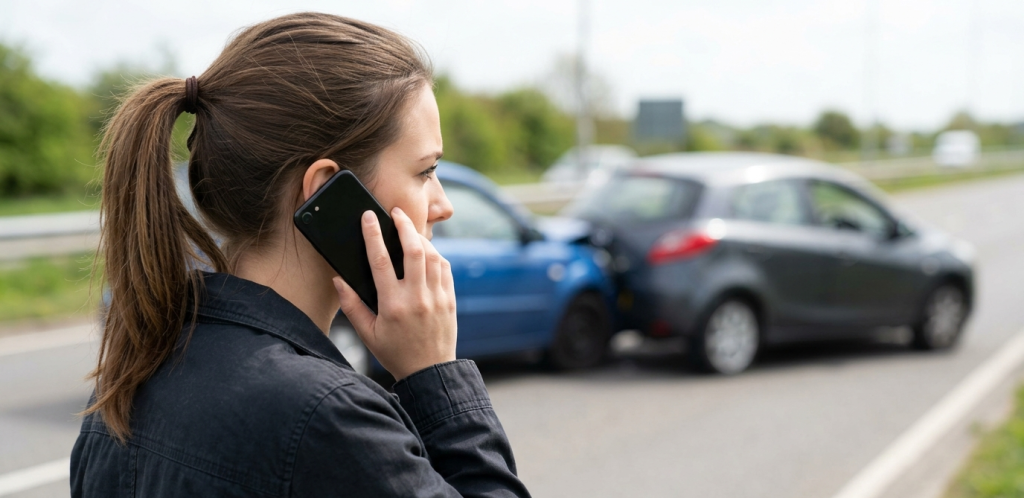
Car liability insurance explained in simple terms: this coverage can help pay for injuries or property damage you cause to other people in a covered accident. It is one of the most important parts of an auto policy because it helps protect you from paying certain accident-related costs out of pocket.
Liability insurance usually does not pay to repair your own car or treat your own injuries after an accident you cause. Instead, it focuses on the other driver, passengers, pedestrians, or property owners affected by the crash.
If you are new to auto insurance, it may help to first understand what car insurance is and how it works before choosing liability limits or comparing different coverage types.
What Is Liability Insurance?
Liability insurance is a basic part of many car insurance policies. It helps protect other people if you cause a covered accident. For example, if you run a red light and hit another vehicle, liability coverage may help pay for the other driver’s injuries and vehicle damage, up to your policy limits.
Most states require drivers to carry some amount of liability car insurance, but requirements vary. Your policy documents and state insurance department can explain what applies where you live.
Liability insurance is usually tied to who caused the accident, but some states use no-fault rules for certain injury-related claims. To understand the difference, read our guide on what no-fault means in car insurance.
Liability coverage is different from coverage that protects your own vehicle. It does not work the same way as collision or comprehensive coverage. For a broader overview of how liability fits with other auto policy options, see these types of coverage compared.
What Does Liability Insurance Cover?
Car liability insurance usually has two main parts: bodily injury liability and property damage liability. Together, they help pay for certain costs you cause to other people in a covered accident.
| Liability Coverage Type | What It May Help Pay For |
|---|---|
| Bodily injury liability | Injuries to other people, related medical costs, and certain legal expenses |
| Property damage liability | Damage to another person’s car or other property |
Bodily Injury Liability
Bodily injury liability may help pay for another person’s injury-related costs after an accident you cause. Depending on the claim, the policy, and the facts of the accident, this may include:
- Medical bills
- Lost wages
- Rehabilitation
- Legal costs
- Pain and suffering, depending on the claim and policy
This coverage is important because injury claims can become expensive quickly. Even a moderate accident may involve emergency care, follow-up treatment, missed work, and legal expenses.
Property Damage Liability
Property damage liability may help pay for damage you cause to someone else’s property in a covered accident. This often includes another driver’s vehicle, but it can also include other property near the road.
Property damage liability may apply to damage you cause to:
- Another driver’s car
- A fence
- A building
- A mailbox
- A road sign
- Other property
Repair and replacement costs can be higher than many drivers expect, especially when newer vehicles, commercial property, or public property are involved.
What Liability Insurance Does Not Cover
One of the most important things to understand is this: liability insurance protects other people, not your own car or your own injuries.
Liability insurance usually does not cover:
- Repairs to your own car
- Your own medical bills
- Theft of your vehicle
- Vandalism
- Weather damage
- Animal damage
- Damage covered by collision or comprehensive coverage
- Normal wear and tear
How you use your vehicle can also affect coverage. A personal auto policy may not cover every food, grocery, or package delivery situation, especially if the insurer treats that work as business use. If you deliver for an app or company, read our guide to car insurance for delivery drivers.
If you want coverage for your own vehicle, you may need additional coverage such as collision or comprehensive, depending on your situation and policy options.
Liability Insurance Limits
Liability insurance has limits. A limit is the maximum amount your policy may pay for a covered claim. Liability coverage limits often include three separate amounts: bodily injury per person, bodily injury per accident, and property damage per accident.
For example, a 25/50/25 liability policy generally means:
- $25,000 bodily injury liability per person
- $50,000 bodily injury liability per accident
- $25,000 property damage liability per accident
If damages exceed your limits, you may be responsible for the difference. For example, if your property damage limit is $25,000 and you cause $40,000 in covered damage, the remaining amount could become your responsibility.
For a deeper explanation of how numbers like 25/50/25 work, read this guide on how car insurance limits work.
State Minimum Liability Insurance
Many states require drivers to carry a minimum amount of liability insurance. This is often called state minimum liability insurance. Minimum coverage may satisfy legal requirements, but it may not provide enough financial protection after a serious accident.
Requirements vary by state, and the required minimums are not always enough to cover medical bills, vehicle repairs, or legal expenses after a major crash. Drivers should review their state’s rules, policy documents, and personal financial situation before choosing limits.
If you drive in Texas, you can learn more about minimum coverage requirements in Texas. This article does not list every state’s rules because liability requirements can change and vary by location.
Liability Insurance vs. Full Coverage
Liability insurance helps pay for injuries or damage you cause to others. Full coverage is different. It is not one official coverage type, but the phrase usually refers to a policy that includes liability, collision, and comprehensive coverage.
In simple terms, liability protects other people when you are responsible for a covered accident. Collision and comprehensive can help protect your own vehicle. To compare the broader policy setup, read this guide to full coverage car insurance.
Liability-Only Insurance: Is It Enough?
Liability-only insurance means your policy includes liability coverage but does not include coverage such as collision or comprehensive for your own vehicle. This may be enough for some drivers, but it depends on the car, finances, and risk tolerance.
Liability-only insurance may make sense for a driver who owns an older vehicle outright and can afford to repair or replace it without help from insurance. It may not be enough for someone with a newer vehicle, a financed car, or a leased vehicle.
Remember, liability-only coverage does not pay to repair your own car after an at-fault accident. Before choosing it, consider your vehicle’s value, savings, lender requirements, household drivers, and how much risk you can comfortably take on.
What Happens If You Drive Without Liability Insurance?
Driving without required insurance can create legal and financial problems. If you cause an accident without liability coverage, you may have to pay for another person’s injuries, vehicle repairs, or property damage yourself.
Penalties and rules vary by state, so this article does not list state-specific fines or consequences. For a general explanation, see the consequences of driving uninsured.
How Much Liability Insurance Do You Need?
The right amount of liability coverage depends on more than the state minimum. A serious accident can create costs that exceed low limits, especially when injuries or multiple vehicles are involved.
When choosing liability limits, consider:
- State requirements
- Your assets and savings
- Your driving habits
- How you use your vehicle
- Other household drivers
- Your risk tolerance
- The cost difference between liability limit options
- Whether minimum limits would be enough after a serious accident
Many drivers compare several limit options before deciding. Sometimes, increasing liability limits costs less than expected, but pricing depends on the insurer, driver profile, vehicle, and location.
Common Mistakes With Liability Insurance
Liability car insurance is straightforward once you understand the basics, but many drivers still make assumptions that can lead to coverage gaps or unexpected costs.
- Choosing only the minimum without understanding the risk. Minimum limits may not be enough after a serious accident.
- Assuming liability covers your own car. Liability usually pays for other people’s injuries or property damage, not your vehicle repairs.
- Ignoring property damage costs. Newer vehicles, luxury cars, buildings, and public property can be expensive to repair.
- Confusing liability insurance with full coverage. Liability and full coverage are not the same thing.
- Not reviewing limits after financial or household changes. A new driver, new job, new vehicle, or increased savings may change how much protection you need.
Liability Insurance FAQs
What is liability insurance?
Liability insurance is car insurance that helps pay for injuries or property damage you cause to other people in a covered accident. It is one of the main parts of many auto insurance policies.
What does liability insurance cover?
Liability insurance typically covers two categories: bodily injury liability and property damage liability. Bodily injury liability may help pay for another person’s medical costs and related losses. Property damage liability may help pay for damage to another person’s car or other property.
Does liability insurance cover my car?
No, liability insurance usually does not cover repairs to your own car. If you want help paying for damage to your own vehicle, you may need collision, comprehensive, or other applicable coverage.
What is bodily injury liability?
Bodily injury liability is the part of liability coverage that may help pay for injuries you cause to other people in a covered accident. This can include medical bills, lost wages, rehabilitation, and certain legal costs, depending on the claim and policy.
What is property damage liability?
Property damage liability is the part of liability car insurance that may help pay for damage you cause to someone else’s property. This often means another vehicle, but it can also include fences, buildings, signs, mailboxes, or other property.
Is liability insurance required?
Liability insurance is commonly required by state law, but the exact requirements vary. Drivers should review their state’s rules and their policy documents to understand what is required.
What happens if damages exceed my liability limits?
If damages exceed your liability limits, your insurance may only pay up to the policy limit for a covered claim. You may be responsible for the remaining amount.
Is liability-only insurance enough?
Liability-only insurance may be enough for some drivers with older vehicles they own outright, especially if they can handle repair or replacement costs themselves. It may not be enough for newer, financed, or leased vehicles.
What is the difference between liability and full coverage?
Liability insurance helps pay for injuries or damage you cause to others. Full coverage usually refers to a policy that includes liability plus collision and comprehensive coverage, which can help protect your own vehicle.
Can I increase my liability limits?
Yes, many insurers allow drivers to choose higher liability limits than the state minimum. Higher limits may provide more financial protection, but they can also affect your premium.
Conclusion
Liability insurance explained comes down to a simple idea: it helps protect other people when you cause a covered accident. The two main parts are bodily injury liability and property damage liability.
Liability insurance does not usually cover your own car repairs or your own injuries. That makes it important to understand what your policy includes, what it excludes, and where your limits apply.
Limits matter because serious accidents can exceed minimum coverage. The right amount of liability insurance depends on your state requirements, assets, budget, vehicle use, and risk tolerance.