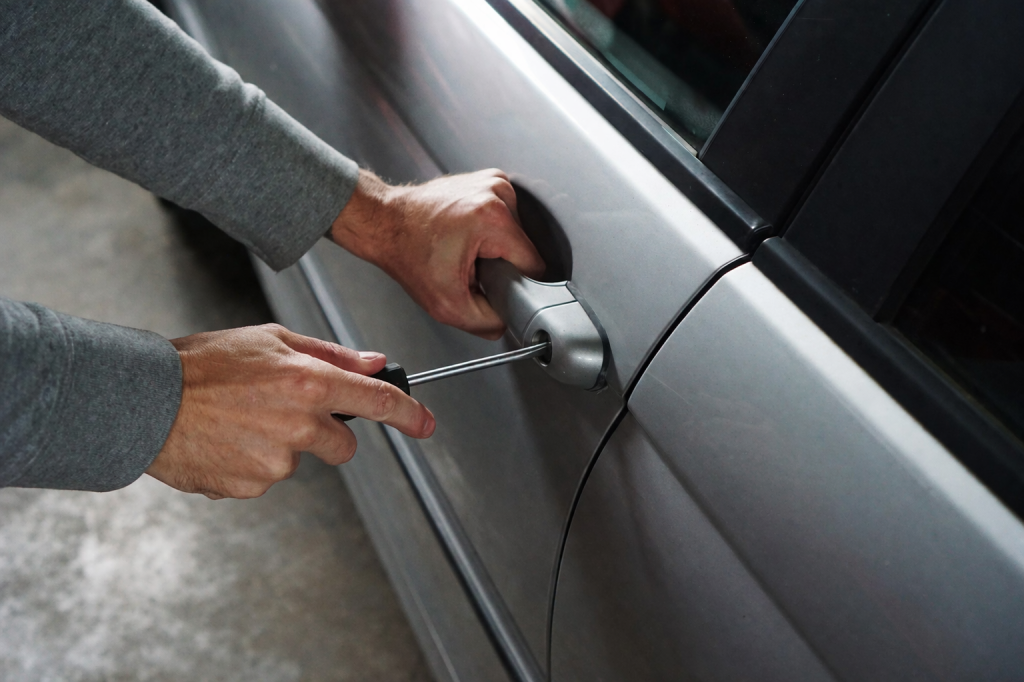
Car insurance may cover vandalism and theft if your policy includes comprehensive coverage. Comprehensive coverage is the part of an auto insurance policy that may help pay for damage or loss caused by events other than a collision, such as theft, attempted theft, vandalism, fire, certain weather damage, and broken glass.
If you only have liability insurance, your policy usually does not pay to repair your own vandalized car or replace your stolen vehicle. Liability insurance is mainly designed to pay for injuries or property damage you cause to other people, not damage to your own car.
It is also important to understand that personal belongings stolen from inside your car are usually not covered by auto insurance. Items such as phones, laptops, bags, wallets, clothes, and tools may fall under renters insurance or homeowners insurance instead, depending on your policy.
The Short Answer: When Vandalism and Theft Are Covered
The basic answer is that car insurance may cover vandalism and theft when you have comprehensive coverage. This can include damage caused by someone keying your car, smashing a window, stealing the vehicle, attempting to steal the vehicle, or stealing certain parts from it.
Whether your insurer pays can depend on several details:
- Whether your policy includes comprehensive coverage
- What caused the damage or loss
- Your deductible
- The value of the damage compared with your deductible
- Your policy limits and exclusions
- Whether the damage was documented properly
- Whether a police report is required
Collision coverage usually applies when your car is damaged in a crash with another vehicle or object. It generally does not apply to a stolen car, a keyed car, or damage from a break-in. Liability-only insurance usually does not repair your own vehicle at all.
When Comprehensive Coverage May Apply
Comprehensive coverage may help pay for non-collision damage to your vehicle, including many theft and vandalism-related situations. This is why it is often the most important coverage to check when your car is stolen, broken into, or intentionally damaged.
Depending on your policy, comprehensive coverage may apply to:
- A stolen vehicle
- Damage from attempted theft
- Vandalized paint
- A keyed car
- Broken windows caused by vandalism or a break-in
- Stolen catalytic converters or other stolen parts, depending on the policy
- Fire damage related to theft or vandalism
- Weather-related damage, if the damage is not caused by a collision
If you are not sure how this differs from collision coverage, see this guide to collision and comprehensive insurance.
Comprehensive coverage is often included in what many people call “full coverage,” but full coverage is not a single standard policy. It usually means a combination of liability, collision, and comprehensive coverage, but the exact protection depends on your insurer and policy details.
Examples of Vandalism and Theft That May Be Covered
The table below shows common situations and what type of coverage may apply. These are general examples, so always check your own policy before assuming a claim will be paid.
| Damage or Loss | Coverage That May Apply | What to Check |
|---|---|---|
| Car is stolen | Comprehensive coverage | Deductible, vehicle value, police report, waiting period |
| Car is recovered with damage | Comprehensive coverage | Repair estimate, inspection rules, deductible |
| Window is smashed during a break-in | Comprehensive coverage | Glass coverage rules, deductible, police report |
| Car is keyed | Comprehensive coverage | Paint repair cost, deductible, photos of damage |
| Tires are slashed | Comprehensive coverage may apply | Policy terms, proof of vandalism, tire condition |
| Catalytic converter is stolen | Comprehensive coverage may apply | Parts coverage, repair estimate, deductible |
| Stereo or built-in equipment is stolen | Comprehensive coverage may apply | Whether the equipment was factory-installed or listed on the policy |
| Windshield is broken by vandalism | Comprehensive or glass coverage | Glass deductible, repair vs. replacement rules |
What Is Usually Not Covered?
Even if you have comprehensive coverage, not every theft or vandalism-related loss is automatically covered. Auto insurance policies have limits, deductibles, and exclusions.
Common things that are usually not covered by auto insurance include:
- Damage to your own car if you only have liability insurance
- Personal items stolen from inside the car
- Normal wear and tear
- Mechanical failure unrelated to theft or vandalism
- Pre-existing damage
- Intentional damage caused by the policyholder
- Excluded business or commercial use
- Damage that costs less than your deductible
- Custom parts or aftermarket equipment that were not listed on the policy
For example, if your car is keyed and the repair estimate is $450 but your comprehensive deductible is $500, the insurer may not pay anything because the damage is below the deductible. In that situation, filing a claim may not make financial sense.
Many drivers ask whether full coverage covers vandalism or theft. It may, but only if your policy actually includes comprehensive coverage. You can learn more in this guide to full coverage car insurance.
Does Insurance Cover Items Stolen From Your Car?
Auto insurance usually focuses on the vehicle, not loose personal belongings inside the vehicle. That means items such as laptops, phones, backpacks, purses, clothes, wallets, sunglasses, sports gear, or tools are usually not covered by your auto policy if they are stolen from the car.
There can be a difference between loose personal property and built-in vehicle equipment. A factory-installed stereo, built-in navigation screen, or original vehicle part may be treated differently from a laptop sitting on the passenger seat.
If personal belongings are stolen from your vehicle, you may need to check your homeowners insurance or renters insurance instead. Those policies may provide personal property coverage, depending on your deductible, limits, and policy terms.
Before filing any claim, compare the value of the stolen items with the deductible on the policy that may apply. If the stolen items are worth only slightly more than the deductible, a claim may not be worth it.
Will You Have to Pay a Deductible?
In many cases, a comprehensive deductible applies to vandalism and theft claims. Your deductible is the amount you pay before your insurance coverage contributes.
For example, if vandalism repairs cost $1,800 and your comprehensive deductible is $500, your insurer may pay up to $1,300 after the deductible, assuming the claim is covered. If the damage costs $400 and your deductible is $500, the insurer usually would not pay anything.
A claim may make more sense when:
- Your vehicle is stolen
- The car is recovered with expensive damage
- A window is smashed and interior damage occurs
- A catalytic converter or expensive part is stolen
- Paint damage is widespread
- The repair cost is clearly higher than your deductible
Some glass claims may be handled differently depending on your state, insurer, and policy. If your question is mainly about windshield damage, see this separate guide on whether insurance may cover a cracked windshield.
Should You File a Claim for Vandalism or Theft?
Filing a claim may make sense if your car was stolen, seriously vandalized, broken into, or damaged in a way that is expensive to repair. It may also make sense if a major part was stolen or the car was recovered with damage after a theft.
However, paying out of pocket may make more sense for small cosmetic damage that is below or close to your deductible. Before filing, consider:
- Your comprehensive deductible
- The estimated repair cost
- Whether the car was stolen or only lightly damaged
- Your recent claim history
- Your insurer’s rules for comprehensive claims
- Whether a police report is required
If you decide to file, document the damage carefully and contact your insurer quickly. For a broader step-by-step overview, see this guide on how to file a car insurance claim.
Will a Vandalism or Theft Claim Raise Your Rate?
A vandalism or theft claim may or may not affect your rate. It depends on your insurer, state rules, claim history, claim type, and policy. Comprehensive claims are often treated differently from at-fault accident claims, but that does not mean they can never affect what you pay.
One isolated comprehensive claim may be viewed differently from multiple claims in a short period. A stolen vehicle claim may also be handled differently from a small vandalism repair. Because insurers use different rating rules, it is best to ask your company how a comprehensive claim could affect your premium before filing, especially if the claim amount is close to your deductible.
Do not assume that every theft or vandalism claim will raise your rate. Also do not assume that it never will. The safest answer is that it depends on your insurer and your situation.
What to Do If Your Car Is Vandalized or Stolen
- Make sure you are safe. If you discover the damage in an unsafe area, move to a safe location before taking action.
- Do not disturb the scene if there may have been a theft, break-in, or attempted theft.
- Take clear photos and videos of the damage from multiple angles.
- File a police report if the vehicle was stolen, broken into, or vandalized.
- Contact your insurer and ask how comprehensive claims are handled.
- Check your deductible before deciding whether the claim is worth filing.
- Provide documents, photos, police report information, and repair estimates if requested.
- Ask whether the vehicle can be repaired, inspected, or needs further review first.
- Keep receipts for towing, repairs, replacement parts, or related costs if they may be relevant.
If your car was stolen, contact the police first and then notify your insurer as soon as possible. Your insurer may ask for the police report number, vehicle details, keys, loan or lease information, and any updates if the vehicle is recovered.
Common Mistakes to Avoid
- Assuming liability insurance covers damage to your own car
- Assuming personal items are covered by auto insurance
- Repairing major damage before documenting it
- Not filing a police report when the car is stolen or vandalized
- Filing a claim without checking the deductible
- Assuming full coverage means everything is covered
- Forgetting to ask about stolen parts or custom equipment
- Waiting too long to contact the insurer
- Not asking how recovered stolen vehicles are handled
- Not checking whether broken glass is handled separately
Frequently Asked Questions
Does car insurance cover vandalism and theft?
Car insurance may cover vandalism and theft if your policy includes comprehensive coverage. Liability-only insurance usually does not pay to repair your own vandalized car or replace your stolen vehicle.
Does comprehensive insurance cover vandalism?
Comprehensive insurance may cover vandalism, including keyed paint, smashed windows, slashed tires, and other intentional damage to your vehicle. Coverage depends on your policy, deductible, and claim details.
Does comprehensive insurance cover theft?
Comprehensive insurance may cover vehicle theft, attempted theft damage, and some stolen parts. If the car is recovered with damage, comprehensive coverage may also help pay for repairs, depending on the policy.
Does liability insurance cover a stolen car?
No. Liability insurance usually does not cover your own stolen car. Liability coverage is designed to pay for damage or injuries you cause to others, not to replace your own vehicle if it is stolen.
Does full coverage cover vandalism?
Full coverage may cover vandalism if it includes comprehensive coverage. Since “full coverage” is not one standard policy, check your declarations page to confirm that comprehensive coverage is included.
Does full coverage cover theft?
Full coverage may cover theft if your policy includes comprehensive coverage. If you only have liability and collision, theft may not be covered.
Does insurance cover a keyed car?
A keyed car may be covered under comprehensive coverage because keying is usually considered vandalism. You may still have to pay your deductible, and the claim must meet your policy requirements.
Does insurance cover stolen items from a car?
Auto insurance usually does not cover loose personal items stolen from your car. Items like laptops, phones, bags, and wallets may need to be claimed through homeowners or renters insurance, depending on your policy.
Does insurance cover a stolen catalytic converter?
A stolen catalytic converter may be covered by comprehensive insurance, depending on your policy. Check your deductible, parts coverage, and whether your insurer requires a police report.
Should I file a claim if my car was vandalized?
You may want to file a claim if the repair cost is clearly higher than your deductible or the damage is serious. If the damage is minor and close to your deductible, paying out of pocket may make more sense.
Will a theft claim raise my car insurance?
A theft claim may or may not affect your rate. It depends on your insurer, state rules, claim history, and the details of the claim. Ask your insurer how comprehensive claims are handled before filing if you are unsure.
What should I do if my car is stolen?
If your car is stolen, make sure you are safe, contact the police, get a report number, and notify your insurer. Provide the information your insurer requests and ask how your comprehensive coverage, deductible, and claim timeline work.