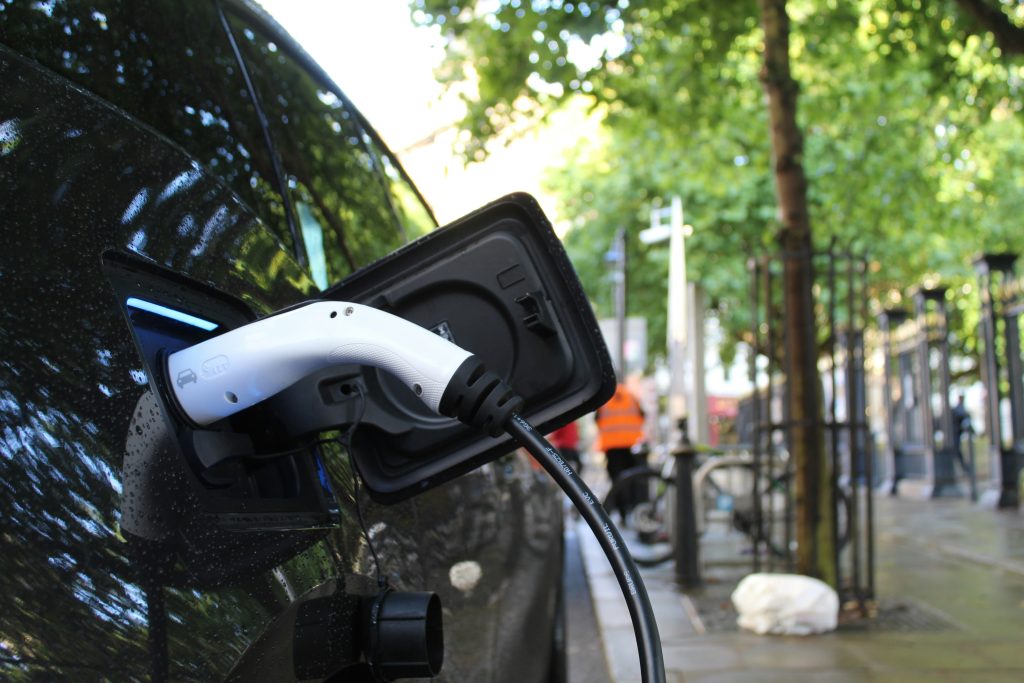
Car insurance for electric vehicles works much like regular car insurance, but EVs can cost more to insure because of repair costs, battery-related parts, specialized labor, and higher vehicle values. The coverage types are usually the same: liability, collision, comprehensive, uninsured motorist coverage, medical payments or PIP, and optional add-ons. The difference is how insurers price the risk and how expensive the vehicle may be to repair after a claim.
If you own or plan to buy an electric vehicle, the cheapest policy is not always the best choice. You should compare premiums, deductibles, repair network options, battery-related exclusions, gap insurance, rental reimbursement, and whether your insurer understands EV repairs.
This guide explains how car insurance for electric vehicles works, why EV insurance can cost more, which coverages matter most, and what to check before choosing a policy.
Is Car Insurance Different for Electric Vehicles?
Electric vehicle insurance is not a separate type of auto insurance. In most cases, you buy a normal auto insurance policy for an EV just like you would for a gas-powered car. The policy may include the same major coverages, but the pricing and claim handling can be different.
Insurers may treat electric vehicles differently because EVs often have expensive technology, battery systems, advanced sensors, and specialized repair needs. A small accident that damages sensors, charging components, or battery-related parts may cost more to repair than a similar accident on a simpler vehicle.
That does not mean every EV is expensive to insure. Rates depend on the model, trim, price, safety features, repair costs, driver profile, location, coverage limits, deductible, claim history, and insurer.
Why Electric Vehicles Can Cost More to Insure
Electric vehicles can cost more to insure because the insurer looks at the cost of repairing or replacing the vehicle after a claim. Many EVs have higher purchase prices, specialized components, and technology that can raise repair costs.
Common reasons EV insurance may be higher include:
- Battery repair or replacement costs: Battery-related damage can be expensive.
- Specialized repair labor: Not every repair shop works on electric vehicles.
- Advanced sensors and cameras: Driver assistance systems can be costly to recalibrate after repairs.
- Higher vehicle value: More expensive cars usually cost more to insure.
- Parts availability: Some EV parts may take longer or cost more to replace.
- Total loss risk: If repair costs approach the vehicle’s value, the insurer may declare it a total loss.
For broader pricing factors that apply to all vehicles, see our guide on how much car insurance costs.
What Coverage Do You Need for an Electric Vehicle?
The right coverage depends on whether you own, finance, or lease the EV, how much the vehicle is worth, and how much risk you want to carry yourself. Most EV owners should look beyond state minimum liability coverage, especially if the vehicle is newer or expensive.
| Coverage | Why it matters for EVs | What to check |
|---|---|---|
| Liability insurance | Helps pay for injuries or property damage you cause to others | Whether your limits are high enough for a serious accident |
| Collision coverage | Helps repair or replace your EV after a crash | Your deductible and repair network options |
| Comprehensive coverage | Helps with theft, vandalism, hail, fire, flood, falling objects, and other non-collision losses | Whether glass, charging damage, or weather-related losses are handled clearly |
| Uninsured motorist coverage | May help if an uninsured or underinsured driver hits you | Bodily injury limits and whether property damage coverage is available |
| Gap insurance | May help if your EV is totaled and you owe more than it is worth | Whether your loan, lease, or insurer offers it |
| Rental reimbursement | May help pay for a rental while your EV is being repaired after a covered claim | Daily limits, total limits, and repair delays |
If you want a broader explanation of stronger policies, read our guide to what full coverage car insurance means.
Do Electric Vehicles Need Full Coverage?
Full coverage is not a single official coverage type, but it usually means a policy includes liability, collision, and comprehensive coverage. If your EV is financed or leased, your lender or leasing company will usually require collision and comprehensive coverage.
Even if you own the EV outright, full coverage may still make sense if the vehicle is expensive to repair or replace. Paying only for minimum liability can lower your premium, but it also means your own car may not be covered after an accident, theft, vandalism, hail damage, or other covered physical damage loss.
The decision should depend on the EV’s value, your savings, your deductible, repair costs, and how easily you could replace the vehicle after a major loss.
Collision and Comprehensive Coverage for EVs
Collision and comprehensive coverage are especially important for many electric vehicle owners because they protect the car itself. Liability insurance does not repair your own EV after an accident you cause or after many non-collision losses.
Collision coverage may help pay for damage after a crash with another car, an object, or a single-vehicle accident. Comprehensive coverage may help with losses such as theft, vandalism, hail, fire, flood, falling objects, or animal damage.
With an EV, you should ask how the insurer handles repairs involving sensors, cameras, charging components, battery-related parts, and manufacturer-approved repair procedures. The repair process can matter as much as the coverage itself.
For a deeper comparison, see our guide to collision vs. comprehensive insurance.
Battery Damage and Electric Vehicle Insurance
Battery-related damage is one of the biggest concerns for EV owners. A battery pack can be one of the most expensive components in the vehicle. If an accident damages the battery or related systems, the insurer may need to review whether repairs are safe, practical, and cost-effective.
Car insurance does not usually cover normal battery wear, gradual capacity loss, manufacturer defects, or warranty issues. Those are different from sudden covered losses caused by accidents, theft, fire, vandalism, or certain weather events.
Ask your insurer:
- How do you handle battery-related damage after a covered accident?
- Do you require EV-certified repair shops?
- How do you decide whether an EV is repairable or a total loss?
- Does the policy exclude normal battery degradation?
- Will repairs follow manufacturer procedures?
The U.S. Department of Energy explains that electric vehicles use high-voltage battery packs and electric motors instead of traditional internal combustion systems. You can review its electric vehicle basics for general background on EV technology.
Are EV Repairs More Expensive After an Accident?
EV repairs can be more expensive, especially when the damage involves battery systems, sensors, cameras, body structure, or specialized parts. Advanced driver assistance systems may also need calibration after repairs, which can add cost.
Repair cost matters because insurers price policies based partly on expected claim expenses. If a vehicle costs more to repair, insure, or replace, the premium may be higher.
Repair time can also matter. If parts take longer to arrive or only certain shops can complete the work, you may need a rental car for longer. That makes rental reimbursement coverage more important for some EV owners.
Do Electric Vehicles Need Gap Insurance?
Gap insurance may be worth considering if your EV is financed or leased, especially if you made a small down payment, have a long loan term, or owe more than the vehicle’s current value.
If your EV is totaled, your insurer usually pays based on the vehicle’s actual cash value, not necessarily what you still owe on the loan. If the settlement is lower than your loan balance, gap insurance may help cover the difference, depending on the policy.
This can matter for EVs because new vehicles may depreciate, incentives may affect resale values, and repair costs can increase the chance of a total loss decision after severe damage.
For more detail, read our guide on what gap insurance is and when you may need it.
Does Insurance Cover EV Charging Equipment?
Car insurance may cover certain charging-related damage if it is connected to the vehicle and caused by a covered loss, but home charging equipment can be more complicated. A wall charger installed at your house may fall under homeowners insurance rather than auto insurance, depending on the situation.
For example, if your EV is damaged by a covered fire or vandalism event, auto insurance may be involved. If a home charging station is damaged by a house electrical issue, storm, or property loss, homeowners insurance may be more relevant.
Ask both your auto insurer and homeowners insurer how they handle home chargers, charging cables, and charging-related damage. Do not assume everything connected to EV charging falls under the auto policy.
Can You Get Discounts for Electric Vehicle Insurance?
Some insurers offer discounts or pricing advantages for electric vehicles, hybrid vehicles, low-mileage drivers, safe driving, bundling, telematics, or advanced safety features. However, EV discounts are not universal, and they do not always offset higher repair costs.
Possible savings opportunities include:
- Electric or hybrid vehicle discount
- Low-mileage discount
- Usage-based insurance or telematics discount
- Multi-policy or bundling discount
- Multi-car discount
- Safe driver discount
- Good student discount if a student drives the EV
- Automatic payment or paperless billing discount
If you drive fewer miles because you charge at home, work remotely, or use the EV mainly for short trips, ask about low-mileage or telematics options. You can also read our guide to usage-based car insurance pros and cons.
How to Compare EV Car Insurance Quotes
When comparing EV insurance quotes, match the coverage levels carefully. A cheaper quote may not be better if it comes with lower liability limits, a higher deductible, weaker rental coverage, or limited repair options.
Compare these items:
- Liability limits: Higher limits may provide better protection after a serious accident.
- Collision deductible: Choose an amount you could afford after a crash.
- Comprehensive deductible: Check how theft, vandalism, hail, fire, and glass claims work.
- Repair network: Ask whether EV-certified shops are available near you.
- OEM parts or repair procedures: Ask how the insurer handles manufacturer repair requirements.
- Rental reimbursement: EV repairs may take longer if parts or certified repair shops are limited.
- Gap coverage: Important if you finance or lease the vehicle.
- Discounts: Ask about EV, low-mileage, telematics, and bundling discounts.
Also compare the total policy cost, not just the first payment. A low first payment can hide higher monthly payments or weaker coverage.
Best Insurance Tips for Electric Vehicle Owners
Electric vehicle owners can often avoid insurance problems by asking more specific questions before buying the policy.
- Get quotes before buying the EV: Insurance can vary widely by model and trim.
- Ask about EV repair experience: Some insurers may handle EV claims more smoothly than others.
- Review deductibles: A high deductible can save money but may be painful after a claim.
- Consider gap insurance: Especially for new, financed, or leased EVs.
- Check charging equipment: Confirm how your auto and homeowners policies handle chargers.
- Keep records: Save purchase documents, charger receipts, maintenance records, and repair invoices.
- Compare at renewal: EV insurance pricing changes as insurers gain more claims data.
Is Electric Vehicle Insurance Worth Comparing More Often?
Yes. EV insurance is worth comparing regularly because insurers may price electric vehicles differently. One company may be expensive for a certain EV model, while another may offer better pricing because it has different repair data, discounts, or underwriting rules.
This does not mean you should switch constantly. But it does mean you should compare quotes when you buy an EV, add a new driver, move, change your mileage, finish a loan, or receive a large rate increase.
If your premium jumped and you are not sure why, our guide on why car insurance is so expensive can help explain common causes.
Common Mistakes to Avoid With EV Insurance
EV owners sometimes focus on the monthly premium and miss details that matter after a claim. Avoid these mistakes:
- Buying only minimum coverage for an expensive EV: Minimum liability does not repair your own vehicle.
- Ignoring battery-related repair questions: Battery damage can be costly and complicated.
- Skipping gap insurance when the loan balance is high: A total loss can create a loan balance problem.
- Choosing a deductible you cannot afford: A low premium is less helpful if the deductible is too high.
- Assuming every shop can repair EVs: Specialized repairs may require certified technicians.
- Forgetting rental reimbursement: EV repairs may take longer if parts or shops are limited.
- Not checking home charging coverage: Your charger may involve both auto and homeowners insurance questions.
Questions to Ask Before Insuring an Electric Vehicle
Before choosing a policy, ask your insurer direct questions about EV coverage and claims.
- Do you insure this specific EV model and trim?
- How do you handle battery-related damage after a covered claim?
- Do you work with EV-certified repair shops?
- Can I choose my own repair shop?
- Do you offer OEM parts or manufacturer-approved repair procedures?
- Does the policy include rental reimbursement?
- Do you offer gap insurance?
- Are there EV, hybrid, low-mileage, or telematics discounts?
- How does the policy handle charging cables or charging-related damage?
- What deductible would apply after a collision or comprehensive claim?
Final Thoughts: Car Insurance for Electric Vehicles
Car insurance for electric vehicles uses the same basic coverage types as regular auto insurance, but EV owners should pay closer attention to repair costs, battery-related damage, gap coverage, and repair network options. The right policy should protect more than the legal minimum, especially if the EV is new, financed, leased, or expensive to repair.
Before buying or renewing coverage, compare quotes from multiple insurers, match coverage levels carefully, ask EV-specific claim questions, and make sure your deductible and rental coverage fit your budget. A slightly cheaper policy may not be the best deal if it leaves you with repair delays, high out-of-pocket costs, or weak protection after a total loss.
FAQs About Car Insurance for Electric Vehicles
Is car insurance more expensive for electric vehicles?
It can be. EVs may cost more to insure because of higher vehicle values, battery-related parts, specialized repairs, sensors, and replacement costs. However, rates vary by model, driver, insurer, location, and coverage level.
Do electric vehicles need special car insurance?
Usually, no. Most EVs use standard auto insurance coverage types. However, EV owners should ask specific questions about battery damage, certified repairs, charging equipment, gap insurance, and rental reimbursement.
Does car insurance cover an EV battery?
Car insurance may cover battery damage caused by a covered accident or covered loss, depending on the policy. It usually does not cover normal battery degradation, warranty issues, or manufacturer defects.
Do EVs need full coverage?
If the EV is financed or leased, full coverage is usually required by the lender or leasing company. Even if you own the EV outright, collision and comprehensive coverage may make sense if the vehicle is expensive to repair or replace.
Can I get discounts for insuring an electric vehicle?
Some insurers offer EV, hybrid, low-mileage, telematics, bundling, or safe-driver discounts. Discounts vary by insurer, and they may not always offset higher repair costs.
Does insurance cover home EV chargers?
Sometimes, but it depends on the loss and the policy. Auto insurance may apply to certain vehicle-related losses, while homeowners insurance may be more relevant for a permanently installed home charging station.
Should I get gap insurance for an electric vehicle?
Gap insurance may be worth considering if your EV is financed or leased and you owe more than the vehicle’s actual cash value. It can help after a covered total loss if the insurance settlement is lower than your loan or lease balance.