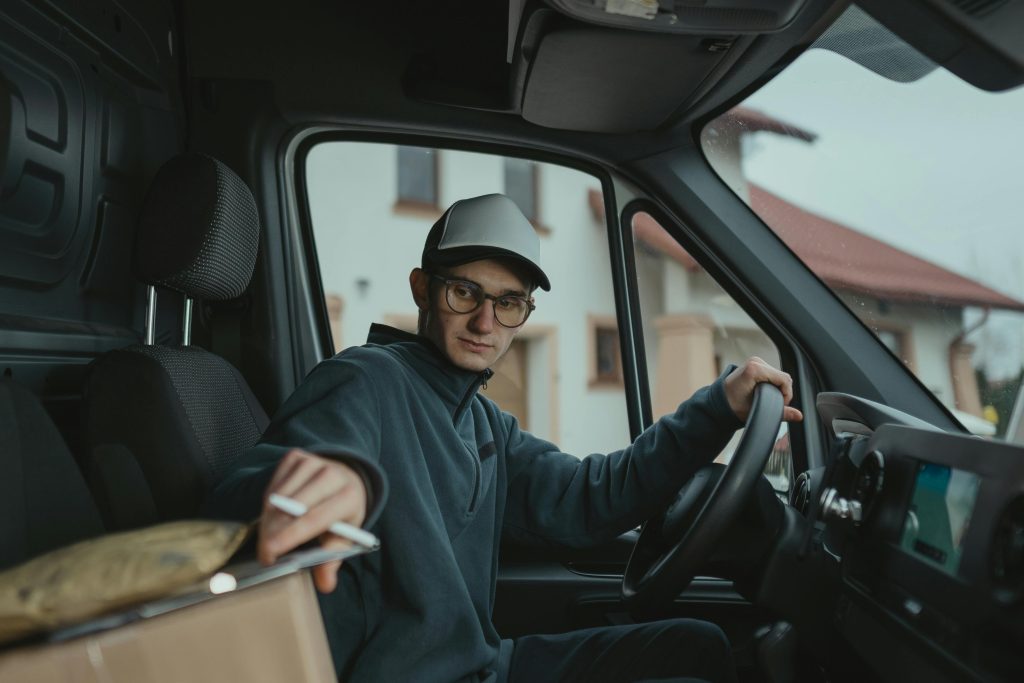
Car insurance for delivery drivers can be different from regular personal auto insurance because using your own car for food, grocery, package, courier, or app-based delivery may not be treated the same as personal driving. Before you accept delivery work, it is important to confirm that your policy matches how you use your vehicle.
Many drivers start delivering with a personal vehicle and assume their current policy will respond if something goes wrong. That assumption can create problems. Delivery driving may involve paid work, app-based activity, higher mileage, frequent stops, and more time on the road. Those details can affect coverage, claims, and what type of policy or endorsement you may need.
What Is Car Insurance for Delivery Drivers?
Delivery driver car insurance is not always one single policy type. It means having auto insurance that fits the way you actually use your car for delivery work. A driver delivering groceries a few hours a week may have different needs than someone making package deliveries all day.
Delivery drivers may use their vehicles for food delivery, grocery delivery, package delivery, courier work, restaurant orders, pharmacy deliveries, or app-based delivery services. In each case, the key issue is whether the vehicle is being used for paid delivery or business activity.
A personal auto policy may be enough for normal commuting, errands, or personal trips. However, it may not be enough if the vehicle is used to earn money by transporting goods. Some insurers handle this with an endorsement. Others may require a business-use rating or a commercial policy.
Delivery drivers are one driver profile within the broader insurance market. For a wider look at how insurers may evaluate different driver situations, see this guide to car insurance by driver type.
Does Personal Car Insurance Cover Delivery Driving?
Many personal auto policies are written for personal use, not paid delivery or commercial use. That does not mean every policy treats delivery the same way, but it does mean drivers should not assume they are covered.
Some policies may limit or exclude delivery use. Others may allow certain business use if the insurer knows about it and rates the policy properly. Some companies may offer a delivery insurance endorsement, rideshare endorsement, or business-use option that expands coverage for certain app-based or delivery activities.
The answer depends on the policy, insurer, state, vehicle use, and delivery platform. It can also depend on what you were doing at the time of a claim. For example, coverage may be reviewed differently when you are offline, logged into an app, waiting for an order, driving to pick up an order, or completing a delivery.
The best time to ask is before accepting orders, not after an accident. Tell your insurer what type of delivery work you plan to do, which platform or company is involved, how often you expect to deliver, and whether you will use the vehicle for other business purposes.
Why Delivery Driving Can Change Your Insurance Needs
Delivery driving can increase the chances of a claim because it changes how, when, and where the vehicle is used. Even careful drivers may face more exposure simply because they drive more often.
- More miles driven: More time behind the wheel usually means more exposure to accidents.
- More time on the road: Delivery work may include nights, weekends, traffic, and bad weather.
- Frequent stops and starts: Picking up and dropping off orders can increase low-speed accident risk.
- Unfamiliar areas: Drivers may navigate neighborhoods, parking lots, apartment complexes, and business districts they do not know well.
- App-based or commercial use: Paid delivery may trigger different policy terms than personal driving.
These risks do not mean every delivery driver will pay more or need the same coverage. They do mean delivery driver insurance coverage should be reviewed carefully.
What Happens If You Have an Accident While Delivering?
After a crash during delivery work, the insurance review may focus on what you were doing at the time. The answer can depend on whether you were offline, waiting for an order, driving to pick up an order, actively delivering, or finished with the delivery.
Your personal policy, delivery platform coverage, and any endorsement or commercial auto policy may all matter. If delivery use is excluded or was not disclosed, a claim may become more complicated. In some cases, the insurer may investigate whether the vehicle was being used in a way the policy did not allow.
If anyone is hurt or vehicles are damaged, documentation and prompt reporting matter. You may need photos, names, insurance information, app status details, police report information, and claim numbers. For a broader accident checklist, see what to do after a car accident.
Delivery App Coverage May Not Be Enough
Some delivery platforms may provide certain insurance coverage during parts of the delivery process. However, app-based delivery insurance can vary by company, state, delivery phase, and driver status.
Platform coverage may apply only during certain periods, such as after an order is accepted or while a delivery is in progress. It may have limits, deductibles, exclusions, or conditions. It also may not cover damage to your own car, depending on the platform and the circumstances.
App coverage usually should not be viewed as a complete replacement for a personal auto policy, delivery endorsement, or commercial policy. Drivers should read current platform documents and confirm details with both the platform and their insurer.
This is especially important for drivers comparing car insurance for DoorDash drivers, car insurance for Uber Eats drivers, car insurance for Instacart drivers, or coverage for other delivery apps. Platform rules and insurance terms can change, and coverage may depend on the exact facts of the trip.
What Coverage Should Delivery Drivers Consider?
Car insurance for delivery drivers may involve several coverage options working together. The right mix depends on how often you deliver, what you deliver, the vehicle you use, state requirements, lender requirements, and insurer rules.
- Personal auto policy with an endorsement: Some insurers may offer a delivery, rideshare, or business-use endorsement where available.
- Commercial auto insurance: Commercial auto insurance for delivery drivers may be needed if delivery use is regular, extensive, or outside what a personal insurer allows.
- Liability coverage: This helps pay for injuries or property damage you cause to others, subject to policy terms and limits. Learn more about liability insurance.
- Collision and comprehensive coverage: These may help protect your own vehicle from certain damage, depending on the coverage, deductible, and cause of loss. See this overview of collision and comprehensive coverage.
- Uninsured or underinsured motorist coverage: Where available, this may help if another driver causes a crash and does not have enough insurance.
- Medical payments or PIP: Depending on your state and policy, these coverages may help with medical costs after a covered accident.
- Deductibles and limits: Delivery drivers should compare how much protection they have, not only the monthly premium.
For a broader explanation of policy components, review this guide to the types of car insurance.
Personal Auto vs. Commercial Auto for Delivery Drivers
| Option | When it may fit | What to check |
|---|---|---|
| Personal auto only | Personal driving only | Ask whether delivery, courier, or app-based work is excluded. |
| Personal policy with delivery or business-use endorsement | Some part-time or app-based delivery | Confirm covered platforms, delivery phases, limits, and vehicle damage coverage. |
| Commercial auto insurance | Regular, full-time, package, courier, or higher-mileage delivery | Compare limits, deductibles, vehicle use, named drivers, and personal-use rules. |
| Platform or app-provided coverage | Certain parts of the delivery process | Check when coverage starts, when it ends, and what it excludes. |
No option should be assumed to apply until the driver confirms policy terms. The safest approach is to get the answer in writing when possible and keep records of the policy, endorsement, or commercial coverage.
What to Tell Your Insurance Company
Delivery drivers should be honest and specific about vehicle use. Hiding delivery work can create problems if a claim happens later. When asking about auto insurance for delivery drivers, explain what you deliver, how often you drive, which apps or companies you use, and whether the vehicle is financed or leased.
Useful questions include:
- Is delivery use covered under my current policy?
- Do I need an endorsement?
- Are app-based delivery services excluded?
- Am I covered while waiting for an order?
- Am I covered while driving to pick up an order?
- Am I covered while completing a delivery?
- Is damage to my own vehicle covered?
- Are there mileage, business-use, or platform limits?
If the insurer cannot cover your delivery use, ask whether another policy option is available. Do not start driving for deliveries until the correct coverage is active.
How to Compare Car Insurance Quotes for Delivery Drivers
Comparing quotes is not just about finding the lowest price. With insurance for delivery drivers, the main goal is to avoid coverage gaps while keeping the policy affordable.
- Compare several insurers that understand delivery or business-use driving.
- Describe delivery use accurately, including food, grocery, package, courier, or app-based work.
- Use the same vehicle, estimated mileage, liability limits, deductibles, and driver information for each quote.
- Ask whether a delivery endorsement is available.
- Compare personal policy endorsements with commercial auto options if needed.
- Review exclusions related to delivery, courier work, business use, and app-based activity.
- Confirm the effective date before driving for deliveries.
- Compare price and protection, not price alone.
Delivery use, higher mileage, added endorsements, commercial coverage, or past claims may affect what you pay. For a broader explanation of pricing factors, see why car insurance can be expensive.
Delivery drivers may also want to track insurance and vehicle-related costs carefully, especially if they use their car for work. For more background, read our guide on whether car insurance is tax deductible.
Can Delivery Driving Make You a Higher-Risk Driver?
Delivery driving itself does not automatically make every driver high-risk. Many delivery drivers maintain clean records, accurate policies, and steady coverage.
However, undisclosed business use, claims, accidents, tickets, lapses, or uninsured driving can create insurance problems. If a driver has repeated incidents or coverage issues, they may have fewer options or higher premiums.
The best way to reduce problems is to keep coverage active and accurate. If you already have a difficult record or trouble finding coverage, this guide to car insurance for high-risk drivers may help explain your options.
Common Mistakes Delivery Drivers Should Avoid
- Assuming personal auto insurance covers delivery.
- Not telling the insurer about delivery use.
- Relying only on the delivery app without reading coverage terms.
- Ignoring app-period coverage gaps.
- Comparing quotes without mentioning delivery work.
- Choosing the cheapest policy without reviewing exclusions.
- Driving before the endorsement or new policy is active.
- Letting coverage lapse.
- Using a financed or leased vehicle without checking requirements.
Car Insurance for Delivery Drivers FAQs
Do delivery drivers need special car insurance?
Some delivery drivers may need special coverage, such as a delivery endorsement, business-use option, or commercial auto policy. The answer depends on the insurer, state, platform, vehicle use, and how often the driver makes deliveries.
Does personal car insurance cover food delivery?
A personal auto policy may not cover paid food delivery. Some policies exclude delivery use, while others may offer an endorsement. Drivers should ask their insurer before using a personal vehicle for food delivery insurance needs.
Does DoorDash provide car insurance?
DoorDash may provide certain coverage in some situations, but drivers should not assume it covers every phase of delivery or damage to their own car. Terms can depend on the platform, state, driver status, and policy conditions. Confirm current details with DoorDash and your insurer.
Does Uber Eats provide car insurance?
Uber Eats may offer certain coverage depending on the delivery phase and location. However, platform coverage may have limits, conditions, or gaps. Drivers should confirm whether their personal policy allows Uber Eats delivery and whether an endorsement is needed.
What happens if I crash while delivering?
The claim may depend on whether you were offline, waiting for an order, driving to pick up an order, actively delivering, or finished. Your personal policy, app coverage, endorsement, or commercial policy may all be reviewed.
Do I need commercial auto insurance for delivery?
You may need commercial auto insurance if delivery use is regular, extensive, or not allowed under your personal policy. Some part-time app-based drivers may qualify for an endorsement instead, depending on the insurer.
What should I tell my insurance company?
Tell your insurer what you deliver, which apps or companies you use, how often you drive, how many miles you expect to add, and whether you want coverage while waiting for orders, picking up orders, and completing deliveries.
Can my insurer deny a claim if I was delivering?
A claim can become more difficult if the policy excludes delivery use or if the insurer was not told about paid delivery activity. Whether a claim is covered depends on the policy language, facts of the accident, state rules, and any endorsements or platform coverage.
Conclusion
Car insurance for delivery drivers depends on personal policy terms, delivery use, platform coverage, endorsements, and state rules. A standard personal policy or app-provided coverage may not be enough for every delivery situation.
The safest approach is to confirm coverage before delivering, compare quotes honestly, and keep your policy accurate. Whether you need a delivery endorsement, business-use option, or commercial auto policy, make sure the coverage matches the work you actually do.