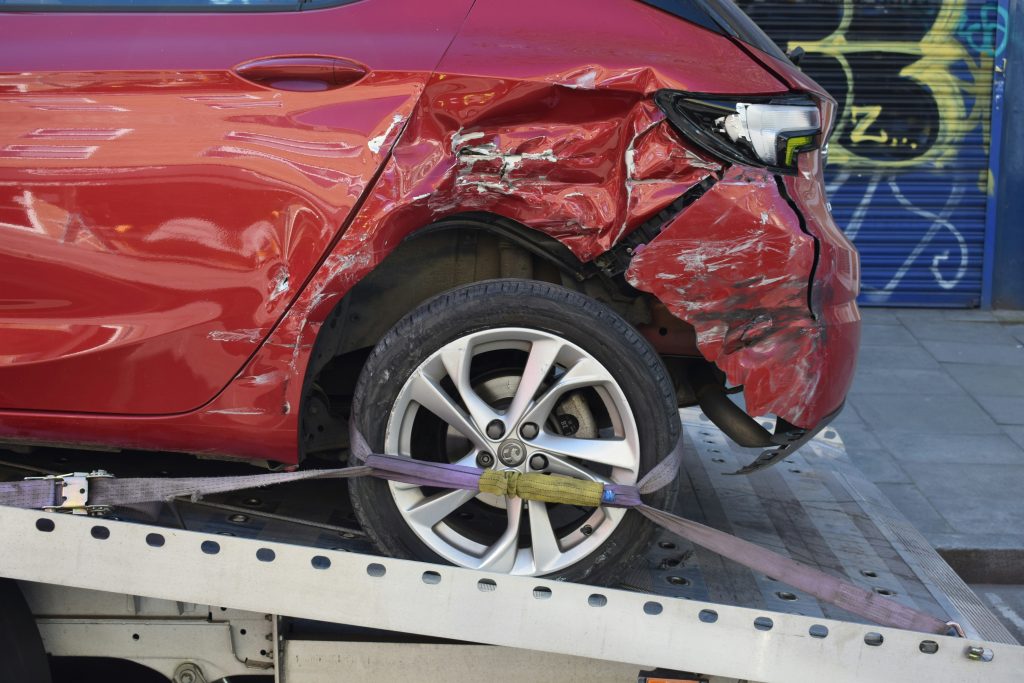
If you are asking, will my insurance go up after an accident, the honest answer is: it may, but it does not always. The outcome depends on several factors, including fault, the type of claim, the amount paid, your driving history, prior claims, your insurer’s rules, state rules, and whether accident forgiveness applies.
An accident can affect your car insurance premium because insurers often review claims and driving history when they set renewal prices. However, every situation is different. A minor not-at-fault claim may be treated very differently from an at-fault crash involving injuries, major repairs, or a serious violation.
How an Accident Can Affect Your Renewal Premium
Your insurance may go up after an accident, but the effect is often reviewed at renewal rather than immediately after the crash. The insurer may look at the claim, the amount paid, your driving history, and whether any discounts still apply.
Some accidents may have little or no effect, depending on the facts. Not-at-fault accidents, minor claims, glass claims, weather-related claims, and accident forgiveness may be treated differently depending on the policy, insurer, and state.
The key point is that the accident becomes one factor in your updated insurance profile. The next section explains when an accident is more likely to raise your premium.
When an Accident Is More Likely to Raise Your Insurance
An accident is more likely to affect your premium when it suggests higher future risk or leads to a larger claim payout. Common factors include:
- You were at fault. An insurance increase is more likely after an at-fault accident because the insurer may view the crash as preventable.
- The claim involved injuries. Injury claims can be costly and may create more concern for an insurer.
- The claim involved major property damage. Expensive repairs or a totaled vehicle can affect how the claim is rated.
- The insurer paid a large claim. The amount paid can matter, even when coverage applies.
- You had multiple recent claims or accidents. Repeated incidents may suggest a pattern of higher risk.
- A ticket or violation was connected to the crash. Speeding, unsafe lane changes, or failure to yield can make the accident more serious in underwriting.
- DUI, reckless driving, or serious violations were involved. These issues can have a major effect on future insurance options.
- Discounts were removed after the accident. Losing a safe driver or claim-free discount can raise the premium even if no separate surcharge is obvious.
What If the Accident Was Not Your Fault?
A not-at-fault accident insurance increase may be treated differently from an at-fault accident. If another driver caused the crash and their insurer pays, your own insurer may handle the situation differently than if you caused the damage.
However, it is not safe to assume that a not-at-fault accident can never affect your premium. The outcome may depend on your insurer, your state, the type of claim, your claim history, and whether your insurer paid anything under your policy.
Some states or insurers may limit how not-at-fault claims affect pricing. Others may still consider claim frequency, accident history, or loss patterns in some way. Ask your insurer how the accident is coded and whether it will affect your next renewal.
Does Filing a Claim Always Raise Your Rate?
Filing an insurance claim after accident does not always raise insurance in the same way. The effect may depend on fault, claim type, amount paid, prior claims, policy rules, and state rules.
For example, a small comprehensive claim may be handled differently from a collision claim where you were at fault. A claim with no payout may also be treated differently from a claim where the insurer paid for major repairs or injuries.
Coverage issues can also affect the claim outcome. A claim may be delayed, limited, or denied if the facts do not meet the policy terms. To learn more about those situations, read this guide on when car insurance may not pay out.
How Fault Is Reviewed After an Accident
Fault is not always decided only by what one driver says at the scene. Insurers may review the accident details, claim statements, photos, repair evidence, witness information, police report details, and applicable state rules.
Shared fault can make the outcome more complicated. In some crashes, both drivers may share responsibility, and the way fault is assigned may affect how the claim is handled and how the accident appears in your insurance history.
Document the accident accurately, but avoid guessing about fault at the scene. For a practical overview of the immediate steps, see what to do after a car accident.
How Much Can Insurance Go Up After an Accident?
If you are wondering, will my insurance go up after an accident and by how much, there is no single answer that applies to every driver. Avoid relying on exact numbers without looking at your own policy, insurer, state, and claim details.
The increase can vary based on the insurer, state rules, claim severity, payout amount, driving record, coverage, discounts, and prior claims. Some drivers may see a noticeable increase, while others may see little or no change.
It can also help to compare quotes using the same liability limits, deductibles, vehicles, drivers, and coverage options. For general context about pricing, read more about how much car insurance costs.
Accidents are only one reason premiums may change. This separate guide explains why car insurance can be expensive more broadly.
How Long Does an Accident Affect Insurance?
An accident may affect pricing for several policy terms, but there is no universal timeline. The length of time can depend on the insurer, state rules, violation type, claim severity, and whether new incidents occur.
Older accidents may matter less over time, depending on the insurer and state. A clean period after the crash may help, especially if you avoid new tickets, claims, lapses, or serious violations.
At renewal, ask your insurer how the accident is being rated and whether it still affects your premium. You can also review quotes periodically, but make sure each quote uses comparable coverage.
What Is Accident Forgiveness?
Accident forgiveness is a policy feature that may prevent a first eligible accident from raising your premium. It may be included automatically, offered as an optional add-on, or unavailable from some insurers.
Eligibility varies. Accident forgiveness may require a clean driving record, a certain number of claim-free years, continuous coverage, or a specific policy level. It may not apply to every accident, driver, state, or policy.
Accident forgiveness also does not mean the accident never happened. The claim may still appear in your history, deductibles may still apply, and other costs or policy changes may still matter.
How Deductibles and Limits Matter After an Accident
A deductible affects how much you may pay out of pocket for certain covered claims. Deductibles often apply to collision and comprehensive claims. If your repair claim is covered, the insurer may subtract the deductible from the payment.
Policy limits affect the maximum amount the insurer may pay for covered claims. A claim can still be covered even if the deductible or limits affect the final payment.
These details can influence your financial outcome after a crash, but they do not always answer whether your premium will rise. For a fuller explanation, read about how car insurance deductibles work and how car insurance limits work.
What Coverage Types Can Matter After an Accident?
Different coverage types may respond to different parts of an accident. Liability coverage may apply to injuries or property damage you cause to others. Collision coverage may apply to damage to your own vehicle after a covered crash.
Uninsured or underinsured motorist coverage may matter if the other driver has no insurance or does not have enough insurance. Medical payments coverage or personal injury protection may help with medical costs where available and when the policy applies.
The type of coverage used can affect how the claim is handled, but pricing impact still depends on the insurer, state, claim facts, and policy rules. For a broader overview, see this guide to types of car insurance.
Can an Accident Make You a High-Risk Driver?
One accident does not always make someone a high-risk driver. Many drivers have a single incident and continue to find standard insurance options.
However, multiple accidents, serious violations, DUI, repeated claims, lapses, or uninsured driving can affect future insurance options. Some drivers may have fewer choices or higher premiums after repeated incidents.
Keep coverage active, respond to insurer requests, and compare options carefully if your premium changes. For more detail, read about car insurance for high-risk drivers.
How to Reduce the Impact After an Accident
You may not control every pricing decision, but you can take practical steps to reduce confusion and avoid making the situation worse.
- Document the accident carefully. Keep photos, names, contact information, and available report details.
- Report accurate information to the insurer. Give clear facts and update the claim if new information becomes available.
- Avoid admitting fault or guessing at the scene. Stick to what you know.
- Keep claim records. Save photos, repair estimates, police report information, claim numbers, and correspondence.
- Ask whether accident forgiveness applies. Do not assume it is automatic.
- Compare quotes at renewal using the same coverage. Different limits or deductibles can make quotes misleading.
- Keep coverage active. A lapse can create more problems later.
- Avoid new tickets, accidents, and lapses. A clean record after the crash may help over time.
Common Mistakes After an Accident
After a crash, many drivers react quickly because they are worried about the next bill. Slowing down can help you avoid costly mistakes.
- Assuming rates will always go up.
- Assuming rates can never go up if you were not at fault.
- Filing a claim without understanding the deductible.
- Ignoring the renewal notice.
- Hiding accident history when applying for new insurance.
- Comparing quotes with different limits or deductibles.
- Lowering coverage too much after one increase.
- Letting the policy lapse because the premium went up.
Will My Insurance Go Up After an Accident FAQs
Will my insurance go up after an accident?
Your insurance may go up after an accident, but it is not guaranteed. The result depends on fault, claim type, claim cost, your driving history, prior claims, insurer rules, state rules, and whether accident forgiveness applies.
Does insurance go up after a not-at-fault accident?
It can, but not always. A not-at-fault accident may be treated differently from an at-fault crash. The outcome may depend on your state, insurer, claim history, policy rules, and whether your insurer paid under your policy.
Does filing a claim always raise your insurance?
No. Filing a claim does not always raise your insurance. The impact can depend on the type of claim, fault, payout amount, prior claims, coverage, and state rules.
How much does insurance go up after an accident?
There is no universal amount. A car insurance rate increase after accident can vary by insurer, state, claim severity, payout amount, driving record, discounts, and prior claims. Ask your insurer what changed at renewal and compare quotes carefully.
How long does an accident stay on insurance?
An accident may affect pricing for several policy terms, but the timeline varies. Insurers and states may treat accidents differently, and older accidents may matter less over time if you avoid new incidents.
What is accident forgiveness?
Accident forgiveness is a feature that may prevent a first eligible accident from raising your premium. It may be included, optional, or unavailable, and it may have eligibility rules.
Will a small accident raise my insurance?
A small accident may or may not raise your insurance. The answer depends on fault, claim amount, claim type, your prior history, and how your insurer handles minor claims.
Can I switch insurance after an accident?
Yes, you can usually shop for new insurance after an accident. Be honest about your accident and claim history. New insurers may review recent accidents, claims, violations, and coverage history before offering a price.
How can I lower insurance after an accident?
You can ask about accident forgiveness, review discounts, compare quotes at renewal, keep coverage active, avoid new violations, and choose deductibles and limits carefully. Avoid cutting important coverage only to lower the premium.
Conclusion
Will my insurance go up after an accident? It may, but the outcome depends on fault, claim type, claim cost, driving history, insurer rules, state rules, prior claims, and accident forgiveness. An at-fault crash with a large payout is more likely to affect your premium than a minor claim or a not-at-fault accident, but every situation is different.
The best response is to document the accident, provide accurate information, review your deductibles and limits, ask whether accident forgiveness applies, and compare quotes carefully at renewal. Before reducing coverage or switching policies, make sure you understand what changed and how the accident is being rated.