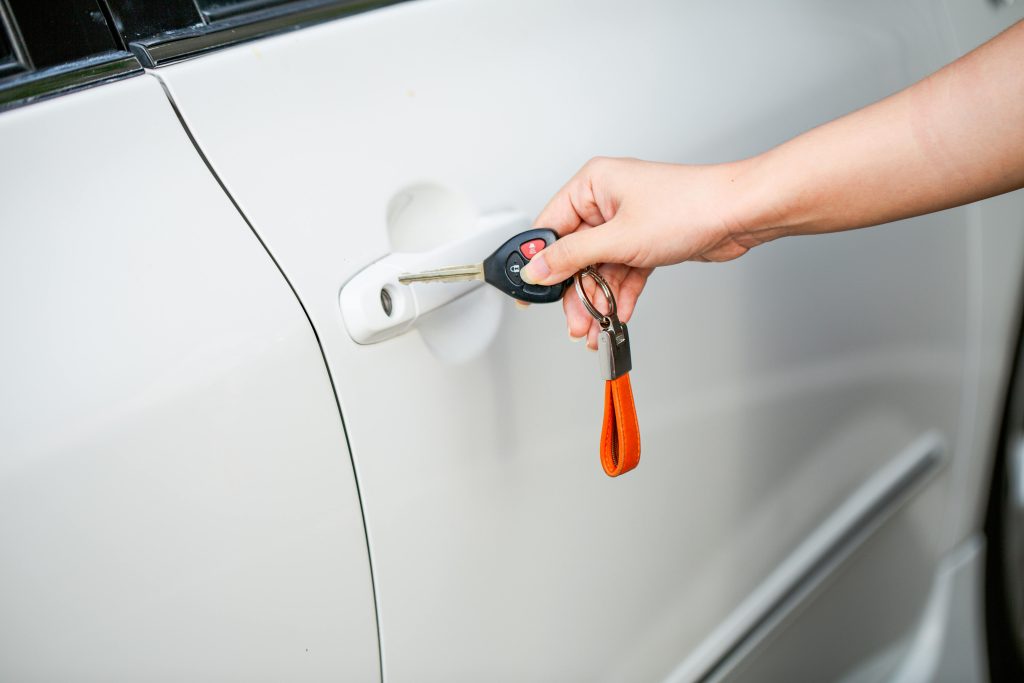
Non-owner car insurance in Texas is usually liability coverage for a driver who does not own a car but still drives occasionally. It can help pay for injuries or property damage you cause to others while driving a vehicle you do not own, depending on the policy terms.
This policy is not designed for a car you own. It does not replace a standard auto insurance policy for a vehicle registered to you, kept at your home, or regularly available for your use. It also usually does not pay to repair or replace the borrowed or rented car you are driving.
For many Texas drivers, the key question is simple: Do I need liability insurance without owning a car? The answer depends on how often you drive, whose car you drive, whether you rent vehicles, whether you need an SR-22 filing, and whether you want to avoid a lapse in insurance history.
What Is Non-Owner Car Insurance in Texas?
Non-owner car insurance is an auto policy for someone who is licensed to drive but does not own a vehicle. Instead of insuring a specific car, it usually provides liability coverage for the named driver when they occasionally drive eligible vehicles they do not own.
In simple terms, Texas non-owner insurance can help protect you when you cause injury or property damage to someone else while driving a car you do not own. For example, it may apply if you borrow a friend’s car with permission and cause an accident, subject to the policy’s limits and exclusions.
A non-owner policy may also help some drivers maintain continuous insurance history while they are between vehicles. Some drivers also ask about non-owner coverage when they need proof of financial responsibility, such as an SR-22, but do not currently own a vehicle.
However, this coverage has important limits. It usually does not include collision or comprehensive coverage for the vehicle you are driving. That means it typically will not pay for damage to the borrowed car, rental car, or car-sharing vehicle itself.
Who May Need Non-Owner Car Insurance in Texas?
Non-owner auto insurance in Texas can make sense for drivers who do not have their own vehicle but still have real driving exposure. It is most useful for occasional driving, not for a car that is regularly available to you.
| Situation | Why Non-Owner Insurance May Help | What to Check |
|---|---|---|
| You borrow cars occasionally | It may provide extra liability protection if you cause an accident while driving with permission. | Ask whether the policy applies to occasional borrowed-car use and whether the owner’s policy is primary. |
| You rent cars often | It may provide liability coverage, depending on the policy and rental situation. | Confirm whether it covers rentals and whether you still need physical damage protection from the rental company. |
| You are between vehicles | It may help you avoid a lapse in insurance history while you do not own a car. | Switch to an owner policy as soon as you buy or regularly use a car. |
| You need an SR-22 but do not own a car | A non-owner policy with an SR-22 filing may help satisfy a requirement in some cases. | Confirm that the insurer can file an SR-22 in Texas and that a non-owner policy fits your requirement. |
| You want to avoid an insurance lapse | Continuous coverage can be helpful when you plan to buy another vehicle later. | Ask how the policy affects your insurance history and future quotes. |
| You use car-sharing or occasional-use vehicles | It may add liability protection beyond what another program provides. | Check the car-sharing agreement and your policy exclusions carefully. |
Who Usually Does Not Need a Non-Owner Policy?
A non-owner policy is not the right fit for every driver without a car title in their name. In many cases, you may need to be listed on an existing policy or buy a standard owner policy instead.
You usually do not need non-owner car insurance if:
- You own a car. A vehicle registered to you generally needs a standard auto insurance policy.
- You regularly drive a household member’s car. If you frequently use a spouse’s, parent’s, roommate’s, or partner’s vehicle, the insurer may expect you to be listed on that policy.
- You are already listed on someone else’s policy. You may not need a separate non-owner policy if you are already properly listed as a driver.
- You drive a company vehicle for work. Employer-owned vehicles, delivery, rideshare, and commercial use can require different coverage.
- You need coverage for a specific vehicle kept at your home. Non-owner insurance is not meant for cars regularly available to you.
- You want physical damage coverage for the car itself. Non-owner insurance is usually about liability to others, not damage to the vehicle you are driving.
The key question is whether you truly drive only occasionally and do not have regular access to a vehicle. If a car is available to you often, ask the insurer whether you should be listed on that vehicle’s policy instead.
What Does Non-Owner Car Insurance Cover in Texas?
Non-owner liability insurance in Texas usually focuses on the damage or injuries you cause to other people. Coverage details vary by insurer, so you should always read the policy before assuming a specific situation is covered.
The main coverage is typically bodily injury liability and property damage liability. Bodily injury liability may help pay for another person’s medical costs, lost income, or related expenses if you are legally responsible for an accident. Property damage liability may help pay for damage you cause to another person’s vehicle or property.
Texas requires drivers to show financial responsibility, and the state’s basic liability limits are commonly described as 30/60/25. You can learn more in this guide to Texas minimum car insurance requirements or review the Texas Department of Insurance auto insurance guide.
Some non-owner policies may offer additional options, such as uninsured/underinsured motorist coverage, personal injury protection, or medical payments coverage. Availability depends on the insurer and policy form.
The key point is that non-owner insurance is usually liability-first coverage. It is not the same as full coverage on a car you own.
What Non-Owner Insurance Usually Does Not Cover
Non-owner insurance can be useful, but it is easy to misunderstand. Before buying a policy, make sure you know what it usually does not cover.
- Damage to the car you are driving: It usually does not include collision or comprehensive coverage for a borrowed or rented vehicle.
- Vehicles you own: A car registered to you generally needs a standard owner policy.
- Vehicles regularly available to you: A car kept at your home or used often may be excluded.
- Business use: Delivery, rideshare, employer use, and commercial driving may require different coverage.
- Household vehicles: Cars owned by people you live with may not be covered under a non-owner policy.
- Personal belongings: Items stolen from or damaged inside a vehicle are usually not covered by auto liability insurance.
- Rental company fees: Loss-of-use charges, administrative fees, or diminished value claims may not be covered unless another product applies.
Non-Owner Insurance vs. Borrowed, Rental, and Temporary Coverage
Non-owner insurance can overlap with borrowed-car, rental-car, and temporary coverage questions, but it is not the same as any of them. The difference matters because each situation can involve different policies, exclusions, and responsibilities.
Borrowed cars
When you borrow someone else’s car in Texas, the owner’s auto policy may be the first policy to respond in many situations. This is often called permissive use, meaning the owner gave you permission to drive. However, coverage can depend on the owner’s policy, whether you had permission, whether you use the car regularly, and whether you are excluded from the policy.
A non-owner policy may provide liability protection for you as the driver when you do not own the vehicle. In some cases, it may act as secondary coverage after the owner’s policy. For a deeper explanation, read this guide on driving someone else’s car without insurance.
Rental cars
Non-owner car insurance may help with liability when you rent a vehicle, but it should not be treated as complete rental car protection. It usually will not pay for damage to the rental car itself. For that, the rental company may offer a collision damage waiver or loss damage waiver, and some credit cards may offer rental car benefits.
Before declining coverage at the rental counter, confirm what your non-owner policy covers and what it excludes. For more detail, see this guide to rental car coverage.
Temporary insurance
Non-owner insurance is not the same as temporary car insurance. A non-owner policy is usually an ongoing policy for a driver who does not own a vehicle but still drives occasionally. Temporary coverage questions often involve short-term vehicle access, rental cars, borrowing a car for a brief period, or changing an existing policy.
If you buy a vehicle, keep a vehicle at home, or have regular access to one, a non-owner policy may not solve the problem. For short-term coverage scenarios, review this guide to temporary car insurance in Texas.
Can You Get Non-Owner SR-22 Insurance in Texas?
Some drivers who need an SR-22 but do not own a car ask about non-owner SR-22 insurance in Texas. This may be possible in some situations, but eligibility depends on the insurer, the reason for the filing, and the driver’s specific requirement.
An SR-22 is not a special type of car insurance by itself. It is a filing that shows proof of financial responsibility. If a court or the state requires you to maintain an SR-22, the policy must satisfy that requirement.
Before purchasing a non-owner SR-22 policy, ask these questions:
- Is an SR-22 actually required in your case?
- Do you need owner coverage or non-owner coverage?
- Does the insurer file SR-22 forms in Texas?
- How long must the filing stay active?
- What happens if the policy cancels or lapses?
Drivers who need an SR-22 may also be considered higher risk by some insurers. For related coverage issues, see this overview of high-risk car insurance in Texas.
How Much Does Non-Owner Car Insurance Cost in Texas?
The cost of non-owner car insurance in Texas depends on the driver, the coverage, and the insurer. Exact prices can vary widely, so it is better to compare quotes than rely on a single estimated rate.
In general, non-owner insurance may cost less than a standard owner policy because it does not insure a specific vehicle for collision or comprehensive damage. However, a driver with an SR-22 requirement, recent violations, accidents, or a coverage lapse may pay more.
| Cost Factor | Why It Matters | What to Do |
|---|---|---|
| Age and driving record | Younger drivers, tickets, accidents, and serious violations can increase the cost. | Compare quotes from several insurers and be accurate when requesting prices. |
| ZIP code | Insurers may consider local claim patterns and risk factors. | Use your actual Texas address when comparing policies. |
| Prior insurance history | A lapse in coverage may affect eligibility or pricing. | Ask whether a non-owner policy can help maintain continuous coverage. |
| SR-22 requirement | Filing needs can limit insurer options and affect price. | Confirm the insurer can file in Texas before buying. |
| Coverage limits | Higher liability limits usually cost more but may offer better protection. | Compare more than the minimum when possible. |
| Credit-based insurance factors | Where allowed, insurers may use credit-based factors in pricing. | Learn how credit score can affect car insurance rates. |
| Insurer rules | Not every company treats non-owner drivers the same way. | Ask specifically for a non-owner policy, not just a regular auto quote. |
How to Get Non-Owner Car Insurance in Texas
Getting car insurance without a car in Texas is mostly about asking the right questions. Not every online quote tool clearly shows non-owner options, so you may need to call an agent or insurer directly.
- Confirm you do not need an owner policy. If you own a car, regularly use a household vehicle, or keep a vehicle at home, a non-owner policy may not fit.
- Decide why you need coverage. Common reasons include occasional borrowing, frequent rentals, continuous insurance history, or an SR-22 filing.
- Gather driver information. Be ready with your driver’s license, address, driving history, prior insurance details, and any filing requirement.
- Ask insurers specifically for a non-owner policy. Do not assume a standard auto quote is the same thing.
- Confirm whether SR-22 filing is needed. If it is, ask whether the insurer files SR-22 forms in Texas and how cancellation notices work.
- Compare limits and exclusions. Check borrowed cars, rentals, household vehicles, business use, and regular access exclusions.
- Keep the policy active if needed. This is especially important if you need continuous coverage or must maintain a filing.
You can also use HelpInsure’s auto policy comparison tool to compare auto policy options from Texas insurance companies. However, because non-owner policies can be specific, you may still need to contact insurers directly.
Car Insurance Companies That May Offer Non-Owner Policies in Texas
Availability can change, and not every company offers non-owner policies to every driver. Texas drivers may want to ask companies such as State Farm, GEICO, Progressive, Allstate, Farmers, USAA if eligible, and regional or non-standard insurers whether they offer non-owner policies in Texas.
| Company Type | Why It May Help | What to Ask |
|---|---|---|
| Large national insurers | They may offer broad availability, online tools, and agent support. | Do you offer non-owner auto insurance in Texas, and what situations are excluded? |
| Texas local or regional agencies | They may know which insurers currently write non-owner policies in your area. | Can you compare multiple non-owner options, including liability limits? |
| Non-standard insurers | They may help drivers with violations, lapses, or SR-22 requirements. | Can you file an SR-22 in Texas on a non-owner policy? |
| Military-focused insurers | Eligible drivers may have access to specialized options. | Am I eligible, and do you offer non-owner coverage for my situation? |
Common Mistakes to Avoid With Non-Owner Coverage
Non-owner coverage can be helpful, but only when it matches the way you actually drive. Avoid these common mistakes before buying a policy.
- Buying non-owner insurance when you actually need an owner policy.
- Assuming it covers damage to the car you drive.
- Assuming it covers household vehicles.
- Not telling the insurer about regular access to a car.
- Assuming every insurer offers SR-22 filing.
- Canceling too early when an SR-22 is required.
- Comparing only price and ignoring exclusions.
- Not checking rental car physical damage protection.
Frequently Asked Questions
What is non-owner car insurance in Texas?
Non-owner car insurance in Texas is usually liability coverage for a driver who does not own a vehicle. It may help pay for injuries or property damage you cause to others while driving an eligible borrowed or rented car, depending on the policy.
Who needs non-owner car insurance in Texas?
It may be useful for drivers who borrow cars occasionally, rent cars often, are between vehicles, need continuous insurance history, or need an SR-22 filing but do not own a car.
Can I get car insurance in Texas without owning a car?
Yes, some insurers offer non-owner car insurance for Texas drivers who do not own a vehicle. You may need to ask specifically for a non-owner policy because not every quote system displays this option clearly.
Does non-owner insurance cover borrowed cars?
It may provide liability coverage when you occasionally borrow a car with permission, but the owner’s policy may be primary. Coverage depends on permission, policy language, exclusions, and whether the car is regularly available to you.
Does non-owner insurance cover rental cars?
It may provide liability coverage for some rental car situations, but it usually does not cover damage to the rental car itself. You may still need a collision damage waiver, credit card rental benefit, or other physical damage protection.
Does non-owner insurance cover damage to the car I drive?
Usually, no. Non-owner insurance normally does not include collision or comprehensive coverage for the car you are driving. It is mainly designed to cover liability for injuries or damage you cause to others.
Can I get non-owner SR-22 insurance in Texas?
Some drivers can get a non-owner policy with an SR-22 filing in Texas, but it depends on the insurer and the driver’s requirement. Confirm that the insurer can file the SR-22 and that a non-owner policy satisfies your situation before buying.
Is non-owner car insurance cheaper than regular car insurance?
It can be cheaper than a standard owner policy because it usually does not insure a specific car for physical damage. However, your cost depends on your record, ZIP code, SR-22 status, coverage limits, and insurer rules.
Can I buy non-owner insurance if I live with someone who owns a car?
Possibly, but it may not be the right fit if that vehicle is regularly available to you. In many cases, the insurer may expect you to be listed on the household vehicle’s policy instead.
What is the best way to compare non-owner car insurance in Texas?
Ask insurers directly for non-owner coverage, compare liability limits and exclusions, confirm SR-22 filing if needed, and check how the policy handles borrowed cars, rental cars, household vehicles, and regular vehicle access.