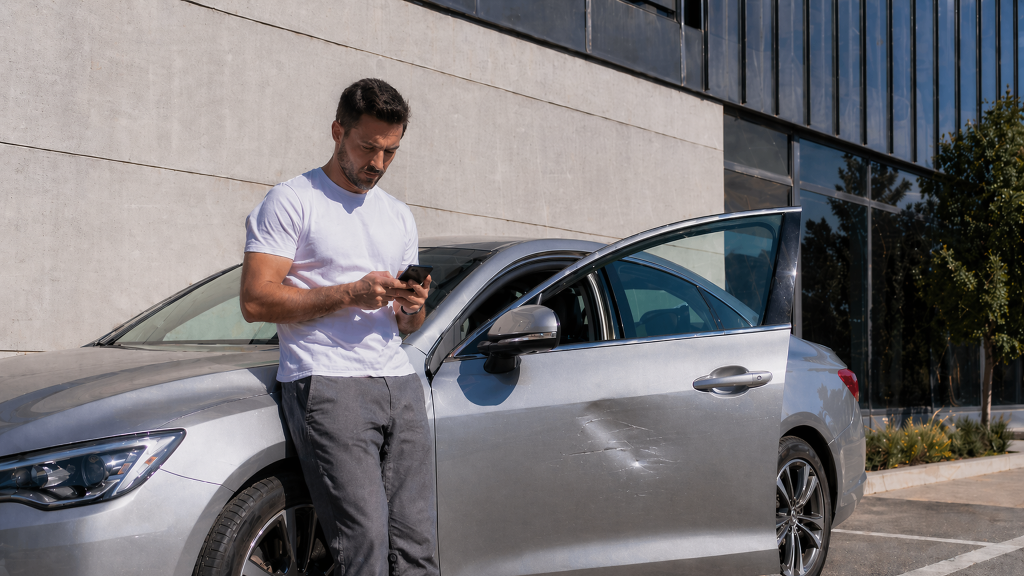
A car insurance claim can take a few days, several weeks, or longer depending on the type of claim, how clear fault is, how severe the damage is, and how quickly you submit documents. Simple glass or minor damage claims often move quickly, while injury claims, total loss claims, disputed liability claims, uninsured motorist claims, and multi-vehicle accidents usually take longer.
The timeline is not the same for every driver. Clear photos, a police report, accurate contact information, and fast communication can help the claim move faster. Missing details, delayed inspections, injuries, or disagreement between insurers can slow it down.
This guide explains how long a car insurance claim takes, what can delay the process, what happens at each stage, and what you can do to help your claim move forward without creating coverage problems.
How Long Does a Car Insurance Claim Usually Take?
Many straightforward car insurance claims take about one to three weeks from reporting the accident to receiving payment or repair approval. Some claims finish faster, while complicated claims can take several weeks or even months.
A minor claim may move quickly when the insurer confirms coverage, inspects the damage, approves the estimate, and sends payment without disputes. A more complicated claim may take longer because the insurer needs to investigate fault, review medical bills, contact witnesses, inspect multiple vehicles, or decide whether the car is a total loss.
State rules, insurer procedures, repair shop availability, and claim complexity can all affect the timeline. If your claim takes longer than expected, ask your adjuster which step is causing the delay and what information they still need.
Typical Car Insurance Claim Timeline
Every insurer handles claims differently, but most auto claims follow a similar pattern. The exact timing depends on how quickly each step moves.
| Claim stage | Typical timing | What happens |
|---|---|---|
| Report the claim | Same day to a few days after the accident | You notify your insurer and provide accident details |
| Claim assignment | Usually within a few business days | The insurer assigns an adjuster or claim representative |
| Coverage review | A few days or longer | The insurer checks whether your policy was active and which coverages apply |
| Damage inspection | A few days to more than a week | An adjuster, app, photo system, or repair shop reviews the vehicle damage |
| Liability investigation | A few days to several weeks | The insurer reviews fault, statements, police reports, and evidence |
| Estimate and repair approval | A few days after inspection | The insurer approves repairs, sends payment, or asks for more information |
| Payment or settlement | After approval and required documents | You, the repair shop, lender, or another party may receive payment |
If you are not sure what to submit first, see our step-by-step guide on how to file a car insurance claim.
Why Some Car Insurance Claims Take Longer
Some claims take longer because the insurer needs more information before approving payment. A delay does not always mean the insurer plans to deny the claim. Often, it means the claim has more moving parts.
Common reasons a claim may take longer include:
- Fault disputes: The drivers, witnesses, or insurers disagree about who caused the accident.
- Injuries: Medical bills, treatment records, and recovery timelines can take time to evaluate.
- Total loss review: The insurer must compare repair costs with the vehicle’s actual cash value.
- Police report delays: Some claims cannot move quickly until the report becomes available.
- Multiple vehicles: More drivers, passengers, insurers, and statements can slow the investigation.
- Uninsured drivers: Your insurer may need to verify whether uninsured motorist coverage applies.
- Repair shop delays: Parts shortages, labor backlogs, or scheduling issues can slow repairs.
- Missing documents: Delayed photos, statements, receipts, or title paperwork can hold up the claim.
The more complex the claim, the more important it is to keep records and respond quickly to your adjuster.
How Long Does a Minor Damage Claim Take?
A minor damage claim may take only a few days to a couple of weeks when the damage is simple, coverage is clear, and the insurer can inspect the vehicle quickly. Small dents, bumper damage, windshield claims, or cosmetic damage may move faster than severe collision claims.
Hidden damage can still slow down a minor claim. A repair shop may discover problems under a bumper, panel, or frame area after the first estimate.
When that happens, the shop may send a supplement to the insurer. A supplement asks for additional repair approval. This can add time, but it is a normal part of many repair claims.
How Long Does a Total Loss Claim Take?
A total loss claim usually takes longer than a basic repair claim. The insurer must inspect the car, estimate repair costs, calculate the vehicle’s actual cash value, review title and loan information, and determine the final settlement amount.
You can help the process move faster by having the title, registration, loan information, keys, and vehicle location ready. Missing title paperwork, a lienholder, disputed vehicle value, storage fees, or disagreement about the settlement can add delays.
If you financed or leased the vehicle, the insurer may need to include the lender or leasing company in the payment process. That adds extra steps because the lender has a financial interest in the vehicle.
How Long Does an Injury Claim Take?
Injury claims usually take longer than vehicle damage claims because medical treatment and recovery take time. The insurer may need medical bills, treatment records, wage loss documentation, and information about how the injury affected the person’s daily life.
A minor injury claim may settle faster if treatment is short and the bills are clear. A serious injury claim may take months because the full cost is not always known right away.
Settling too early can be risky if more treatment is needed later. If you are dealing with injury-related coverage, it may help to understand how Medical Payments and Personal Injury Protection work, since those coverages can affect how accident-related medical bills are handled.
How Long Does a Third-Party Claim Take?
A third-party claim is a claim you file with the other driver’s insurance company. These claims can take longer than first-party claims because the other insurer must investigate whether its driver caused the accident.
The other insurer may need to speak with its policyholder, review the police report, inspect damage, confirm coverage, and decide liability. When its driver does not respond or denies fault, the process often slows down.
If liability is clear and the other driver’s insurer accepts responsibility quickly, a third-party property damage claim may resolve within a few weeks. Fault disputes can stretch the timeline much longer.
How Long Does a Claim Take If the Other Driver Is Uninsured?
If the other driver has no insurance, your claim timeline depends on your own policy. Collision coverage may help repair your car, while uninsured motorist coverage may help with injuries or vehicle damage if your policy includes the right protection and your state allows it.
Uninsured motorist claims can take longer because your insurer may need to verify that the other driver truly had no insurance. In a hit-and-run claim, the insurer may also require a police report, quick notice, and proof that another vehicle was involved.
For a deeper explanation of this coverage, see our guide to uninsured motorist coverage.
What Can Speed Up a Car Insurance Claim?
You cannot control every part of the claims process, but you can avoid common delays. Clear, accurate information helps the insurer review the claim faster.
Helpful steps include:
- Report the claim quickly.
- Give accurate accident details.
- Upload photos of all vehicle damage.
- Share the police report number if available.
- Provide names and contact information for drivers, passengers, and witnesses.
- Respond quickly to adjuster calls, emails, or document requests.
- Choose a repair shop and schedule the inspection promptly.
- Keep receipts for towing, storage, rental cars, or other accident-related costs.
- Ask the adjuster what step comes next and what could delay the claim.
If you are still at the beginning of the process, our guide on what to do after a car accident can help you avoid mistakes that slow down a claim later.
What Can Slow Down a Car Insurance Claim?
Many claim delays come from missing information, unclear liability, or repair issues. Some delays are outside your control, but better documentation can prevent many common problems.
Claims often slow down because of:
- Late reporting: Waiting too long to report the accident can make the investigation harder.
- Incomplete statements: Missing details can force the adjuster to follow up multiple times.
- Poor photos: Blurry or incomplete photos can delay damage review.
- Unavailable drivers: If another driver does not respond, liability may take longer to confirm.
- Repair supplements: Hidden damage can require extra approval after repairs begin.
- Parts delays: A repair may already have approval, but the shop cannot finish until parts arrive.
- Coverage questions: The insurer may need to confirm whether the policy covers the accident.
- Disputed settlement value: Total loss claims can slow down if you challenge the vehicle value.
If your claim stalls, ask for a specific explanation. A general answer such as “it is still under review” is less helpful than knowing whether liability, coverage, inspection, documents, or payment processing is causing the delay.
Does the Type of Coverage Affect the Claim Timeline?
Yes. The coverage involved can affect how long the claim takes. A collision claim through your own policy may move faster than waiting for another driver’s insurer to accept fault. A comprehensive claim for theft, vandalism, hail, or fire may require different documentation than a crash claim.
Liability claims can take longer when fault is unclear. Uninsured motorist claims can take longer when the insurer must verify the other driver’s status. Medical payments or PIP claims may depend on medical bills and treatment records.
If you are trying to understand which coverage applies to vehicle damage, see our guide to collision vs. comprehensive insurance.
How Rental Cars Can Affect the Timeline
A claim can feel much more stressful when you need a rental car while your vehicle is in the shop. Whether the insurer pays for the rental depends on the coverage involved and who caused the accident.
If you use your own policy, rental reimbursement coverage may help pay for a rental while your vehicle gets repaired after a covered claim. This coverage usually has daily and total limits. If another driver caused the accident, their insurer may pay for a rental after accepting liability, but that decision can take time.
Before renting, ask:
- Do I have rental reimbursement coverage?
- What is the daily limit?
- What is the maximum number of days or total dollar limit?
- Will the insurer pay the rental company directly?
- What happens if repairs take longer than expected?
For more detail, see our guide on whether car insurance covers rental cars.
What If the Insurance Company Is Taking Too Long?
If your insurance company is taking too long, start by asking for a clear status update. Ask what the adjuster has completed, what still needs review, and which documents or decisions must come next.
Use these questions:
- Have you confirmed coverage?
- Have you accepted or denied liability?
- Has anyone inspected the vehicle?
- Did the insurer approve the estimate?
- Are you waiting for the repair shop, another driver, a police report, or medical documents?
- Is there a deadline for the next decision?
- Can you send the status update in writing?
If you still cannot get a clear answer, ask to speak with a supervisor or claims manager. You can also review your state insurance department’s complaint process if you believe the insurer is not handling the claim properly.
The National Association of Insurance Commissioners provides a directory where consumers can find their state insurance department for questions or complaints about insurance claim handling.
Should You Accept the First Claim Settlement?
You do not have to accept a settlement just because it is the first offer. Before accepting, review the estimate, deductible, repair plan, total loss valuation, rental limits, and any release forms carefully.
For vehicle damage, make sure the estimate includes all visible damage and allows supplements if the shop finds hidden damage. For a total loss, compare the insurer’s valuation with similar vehicles in your area and check whether the mileage, trim, options, and condition are accurate.
For injury claims, be especially careful about settling before you understand the full medical impact. Once a settlement becomes final, you may not be able to reopen the claim for additional costs.
Final Thoughts: How Long Does a Car Insurance Claim Take?
A car insurance claim can take a few days, a few weeks, or longer depending on the claim type and how complicated the investigation is. Simple claims with clear coverage and minor damage often move faster. Claims involving injuries, disputed fault, uninsured drivers, total losses, or missing documents usually take longer.
The best way to keep the process moving is to report the claim quickly, document the accident, respond to requests, ask clear questions, and keep records of every conversation and expense. If the claim slows down, ask exactly what is pending and what needs to happen next.
FAQs About How Long Car Insurance Claims Take
How long does it take for car insurance to approve a claim?
Simple claims may get approval within days, while more complex claims can take several weeks. Approval depends on coverage review, damage inspection, liability investigation, and required documentation.
Why is my car insurance claim taking so long?
Your claim may have delays because drivers dispute fault, the police report is not ready, the adjuster needs more documents, the other driver is not responding, the repair shop found hidden damage, or the insurer is still reviewing coverage.
How long does a car repair claim take?
A repair claim may take one to several weeks depending on inspection timing, estimate approval, repair shop availability, parts delays, and whether the shop finds additional damage after repairs begin.
How long does a total loss claim take?
A total loss claim can take longer than a repair claim because the insurer must value the vehicle, review title or loan information, calculate the settlement, and arrange payment with the owner or lender.
Can I speed up my car insurance claim?
You can help by reporting the claim quickly, sending clear photos, providing the police report number, responding to the adjuster, choosing a repair shop promptly, and keeping all accident-related records organized.
What should I do if the insurance company delays my claim?
Ask for a written status update explaining what is still pending. If you cannot get a clear answer, ask for a supervisor or contact your state insurance department for guidance.
Does a rental car delay the claim?
A rental car does not usually delay the claim itself, but payment for the rental depends on coverage, liability, daily limits, and how long repairs take. Rental reimbursement coverage can help if your policy includes it.