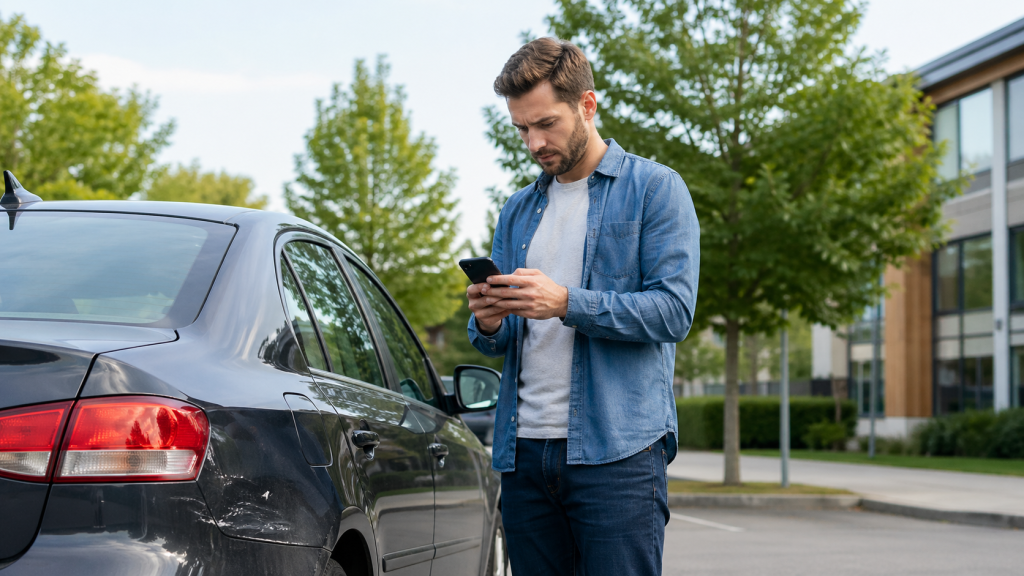
Car insurance may cover a hit-and-run accident, but the coverage depends on your policy, your state rules, and whether the accident caused vehicle damage, injuries, or both. Collision coverage, uninsured motorist coverage, medical payments coverage, personal injury protection, and rental reimbursement can all matter after a covered hit-and-run.
The term “hit-and-run” describes what happened, not one single insurance coverage. Your insurer will review the facts of the accident, whether anyone can identify the other driver, which coverages you purchased, and what your policy says about deductibles, reporting deadlines, and proof.
This guide explains when car insurance covers hit-and-run accidents, which coverages may apply, what to do after a hit-and-run, and how to avoid claim delays or coverage problems.
Does Car Insurance Cover a Hit-and-Run?
Yes, car insurance can cover a hit-and-run accident if your policy includes the right coverage. Collision coverage, uninsured motorist coverage, medical payments coverage, personal injury protection, and rental reimbursement may all help in different ways.
If the hit-and-run damages your car, collision coverage may help pay for repairs after you pay your deductible. Uninsured motorist property damage may also help in some states and policies. For injuries, uninsured motorist bodily injury, MedPay, or PIP may help with medical costs and related expenses.
A basic liability-only policy usually does not repair your own car after a hit-and-run. Liability insurance mainly pays for injuries or damage you cause to other people. It does not normally protect your own vehicle when another driver hits you and leaves.
What Counts as a Hit-and-Run Accident?
A hit-and-run usually means a driver leaves the accident scene without stopping, sharing information, or helping when required. This can happen after a moving crash, a parked car accident, a pedestrian accident, or property damage.
Common hit-and-run examples include:
- A driver hits your parked car and leaves without contact information.
- Another vehicle hits you in traffic and drives away before you can identify the driver.
- A driver damages your car while backing out of a parking space and leaves.
- A vehicle hits a pedestrian, cyclist, or passenger and leaves the scene.
- A driver causes a crash but cannot be identified later.
Some policies and state rules treat hit-and-run claims differently based on vehicle contact, injuries, police reports, and how quickly you notify the insurer.
Which Coverages May Apply After a Hit-and-Run?
Different parts of your policy can help with different costs after a hit-and-run. The right coverage depends on what happened and what you purchased before the accident.
| Coverage | What it may help pay for | What to check |
|---|---|---|
| Collision coverage | Damage to your vehicle after a crash, including many hit-and-run accidents | Your deductible and repair estimate |
| Uninsured motorist bodily injury | Medical bills, lost wages, or injury-related costs after a covered hit-and-run | Whether your state and policy treat hit-and-run as uninsured motorist |
| Uninsured motorist property damage | Damage to your vehicle caused by an uninsured or unidentified driver | Availability, limits, deductibles, and proof requirements |
| MedPay or PIP | Medical expenses and sometimes broader injury-related costs | State rules, limits, and covered expenses |
| Rental reimbursement | A rental car while your vehicle gets repaired after a covered claim | Daily limit, total limit, and claim eligibility |
The Insurance Information Institute explains that uninsured motorist coverage may apply when you have an accident with an uninsured driver or become the victim of a hit-and-run. You can review its guide on how to protect yourself against uninsured motorists.
Does Collision Coverage Cover a Hit-and-Run?
Collision coverage often helps pay for damage to your car after a hit-and-run. This coverage generally applies when your vehicle gets damaged in a crash with another vehicle or object, regardless of who caused the accident.
For example, if another driver hits your parked car and leaves, collision coverage may help pay for repairs after your deductible. If someone hits your vehicle in traffic and drives away, collision may also apply to the vehicle damage.
The deductible matters. If your collision deductible is $500 and the repair estimate is $1,800, the insurer may pay the covered amount above the deductible. If the damage is minor and close to your deductible, filing a claim may not make sense.
For more detail on how this coverage differs from other damage coverage, see our guide to collision vs. comprehensive insurance.
Does Uninsured Motorist Coverage Cover a Hit-and-Run?
Uninsured motorist coverage may cover a hit-and-run in some situations because the at-fault driver cannot be identified or has no available insurance. State rules and policy terms control the details.
Uninsured motorist bodily injury may help if a hit-and-run driver injures you or your passengers. Uninsured motorist property damage may help with vehicle repairs in some states, but not every policy offers it.
Your insurer may require proof that another vehicle caused the damage. The company may also ask for a police report, prompt notice, witness information, or evidence of physical contact. Ask your insurer exactly how your UM coverage handles hit-and-run claims.
The National Association of Insurance Commissioners explains that uninsured motorist coverage may reimburse you if an uninsured or hit-and-run driver hits you. Its auto insurance coverage overview gives a general explanation of UM/UIM coverage.
For a deeper breakdown, read our guide to uninsured motorist coverage.
Does Comprehensive Coverage Cover a Hit-and-Run?
Comprehensive coverage usually does not cover a typical hit-and-run crash involving another vehicle. Comprehensive coverage generally applies to non-collision events such as theft, vandalism, hail, fire, flood, falling objects, or animal damage.
A hit-and-run usually counts as a collision loss because another vehicle hit your car. That is why collision coverage often matters most for vehicle repairs after a hit-and-run.
The facts can change the answer. If someone intentionally damages your parked car without using a vehicle, the insurer may treat the loss as vandalism instead of a hit-and-run crash. If glass breaks during a separate theft or vandalism event, comprehensive coverage may matter more.
If your hit-and-run involved windshield or glass damage, see our guide on whether insurance will cover a cracked windshield.
What If Your Parked Car Is Hit and the Driver Leaves?
A parked-car hit-and-run is one of the most common situations drivers worry about. If someone hits your parked car and leaves without sharing information, your coverage depends on what you carry.
Collision coverage may help pay for damage to your vehicle. Uninsured motorist property damage may also help in some states or policies, especially if the insurer treats the unknown driver as uninsured. If you only have liability coverage, your own policy may not pay for the damage to your parked car.
After discovering the damage, take these steps:
- Take photos of the damage from multiple angles.
- Look for paint transfer, broken parts, or debris.
- Check whether nearby businesses, homes, or parking lots have cameras.
- Ask witnesses if they saw the vehicle or license plate.
- File a police report if your insurer or state requires it.
- Contact your insurer before repairs begin.
Document the damage before you repair the car. Your insurer may need photos, an inspection, or other proof of the hit-and-run before approving the claim.
What If You Are Injured in a Hit-and-Run?
If a hit-and-run injures you, the claim may involve more than vehicle repairs. Your policy may include uninsured motorist bodily injury, MedPay, PIP, or other injury-related coverage.
Uninsured motorist bodily injury may help with medical bills, lost wages, pain and suffering, or other injury-related losses, depending on your policy and state rules. MedPay or PIP may help pay medical costs more quickly, regardless of who caused the accident, subject to policy terms.
Seek medical care right away if you feel hurt. Delaying treatment can affect your health and make the insurance claim harder to document. Keep medical bills, discharge papers, prescriptions, treatment notes, and wage-loss records.
If you need a clearer comparison of injury-related coverages, see our guide to Medical Payments vs. Personal Injury Protection.
What Should You Do After a Hit-and-Run?
Your actions after a hit-and-run can affect both safety and claim handling. Focus on safety first and do not chase the other driver. Chasing can create more danger and make the situation worse.
After a hit-and-run, try to:
- Move to a safe location if possible.
- Call 911 if anyone is injured or the scene is dangerous.
- Write down any details you remember about the other vehicle.
- Take photos of damage, the scene, road conditions, and debris.
- Get witness names and contact information.
- Look for nearby cameras or businesses that may have footage.
- File a police report if required or recommended.
- Notify your insurance company as soon as possible.
For a broader accident checklist, read our guide on what to do after a car accident.
How to File a Hit-and-Run Insurance Claim
A hit-and-run claim usually starts like other auto claims, but your insurer may ask for extra documentation because the other driver is unknown or unavailable.
Your insurer may ask for:
- The date, time, and location of the accident
- A police report or report number
- Photos of the damage and accident scene
- Witness statements or contact information
- Any license plate details or vehicle description
- Dashcam, security camera, or parking lot footage
- Medical records if anyone was injured
- Repair estimates or shop information
If you are unsure how to start, follow our step-by-step guide on how to file a car insurance claim.
Will You Have to Pay a Deductible?
You may have to pay a deductible after a hit-and-run, depending on which coverage applies. Collision claims usually have a deductible. Uninsured motorist property damage may also have a deductible in some states or policies, while injury coverages may work differently.
For example, if your collision deductible is $1,000 and the damage is $1,200, you may only receive a small payment after the deductible. If the damage is $5,000, the claim may make more financial sense.
Before filing, ask your insurer:
- Which coverage would apply to this hit-and-run?
- What deductible would I pay?
- Could the claim affect my future premium?
- Do I need a police report?
- Will the insurer try to recover the deductible if someone finds the driver?
Will a Hit-and-Run Claim Raise Your Insurance Rate?
A hit-and-run claim may or may not affect your insurance rate. Your insurer, state rules, fault determination, claim history, coverage used, and claim cost can all influence the answer.
If another driver clearly caused the damage and left, the insurer may treat the claim differently from an at-fault accident. Still, some companies consider claim history in certain situations, especially when a driver files multiple claims or the claim cost is high.
Ask your insurer how the company may classify the claim before you file. If the repair cost is close to your deductible, compare the claim benefit with possible future rate effects.
What If You Do Not Have Collision or Uninsured Motorist Coverage?
If you only have liability coverage, your policy may not pay for your own vehicle damage after a hit-and-run. You may have to pay for repairs yourself unless someone identifies the other driver and holds them responsible.
You may still have some options. If police find the driver later, you may be able to pursue their insurance if they have coverage. If they have no insurance, you may need to consider legal options. Health insurance may help with medical care, but it usually does not pay for vehicle damage or lost wages the same way auto injury coverage might.
This is why drivers who want protection after a hit-and-run often consider collision coverage, uninsured motorist coverage, MedPay, or PIP before an accident happens. You usually cannot add coverage after a loss and apply it retroactively.
Common Hit-and-Run Claim Mistakes to Avoid
Hit-and-run claims can become harder when important evidence is missing. Avoid these mistakes:
- Chasing the other driver: Get to safety instead of creating more risk.
- Waiting too long to report the accident: Some policies have notice requirements.
- Skipping the police report: Your insurer may need it for a hit-and-run claim.
- Repairing the car before documenting damage: Photos and inspections can matter.
- Assuming liability coverage repairs your car: Liability usually protects other people, not your own vehicle.
- Forgetting to check cameras: Nearby footage may help identify the driver.
- Accepting a claim decision without asking which coverage applies: Collision, UM, MedPay, and PIP can work differently.
Questions to Ask Your Insurer After a Hit-and-Run
Before moving forward with a claim, ask your insurer clear questions. This can help you understand costs, deadlines, and coverage limits.
- Which coverage applies to my hit-and-run claim?
- Do I need a police report?
- Will you handle this under collision or uninsured motorist coverage?
- Will a deductible apply?
- Can I choose my own repair shop?
- Does my policy cover a rental car while repairs are completed?
- What documents do you need from me?
- Could this claim affect my rate?
- What happens if someone finds the other driver later?
Final Thoughts: Does Car Insurance Cover Hit-and-Run Accidents?
Car insurance can cover a hit-and-run accident, but only if your policy includes the right coverage for the type of loss. Collision coverage often helps with vehicle damage. Uninsured motorist coverage may help with injuries and sometimes property damage, depending on your state and policy. MedPay or PIP may help with medical costs, and rental reimbursement may help with temporary transportation after a covered claim.
The best time to prepare is before an accident happens. Review your policy, check your deductibles, understand whether you have uninsured motorist protection, and know what your insurer requires after a hit-and-run. If an accident happens, document everything, report it quickly, and ask which coverage applies before approving repairs or accepting a claim decision.
FAQs About Hit-and-Run Insurance Coverage
Does insurance cover a hit-and-run if my car was parked?
It can. Collision coverage may help pay for damage to your parked car after a hit-and-run. Uninsured motorist property damage may also help in some states and policies. If you only have liability coverage, your own car damage may not have coverage.
Is a hit-and-run covered by collision or uninsured motorist coverage?
It depends on your policy and state rules. Collision often handles vehicle damage, while uninsured motorist coverage may help with injuries and sometimes property damage. Ask your insurer which coverage applies before filing.
Do I need a police report for a hit-and-run claim?
Many insurers require or strongly recommend a police report for hit-and-run claims. A report can help document the accident, support the claim, and show that you reported the incident promptly.
Will a hit-and-run claim raise my insurance?
It depends on your insurer, state rules, claim history, coverage used, and the cost of the claim. A not-at-fault hit-and-run may get treated differently from an at-fault accident, but you should ask your insurer how the claim may affect your premium.
What if the hit-and-run driver is found later?
If someone finds the driver, your insurer may try to recover money from the driver or their insurer. This process is called subrogation. If recovery succeeds, you may get some or all of your deductible back, depending on the situation.
Does liability insurance cover a hit-and-run?
Liability insurance usually does not pay for your own vehicle damage or injuries after another driver hits you and leaves. It mainly pays for injuries or damage you cause to other people.
Can I add collision or uninsured motorist coverage after a hit-and-run?
You can usually add coverage for future accidents, but it will not apply retroactively to a hit-and-run that already happened. Coverage normally must be active before the loss occurs.