
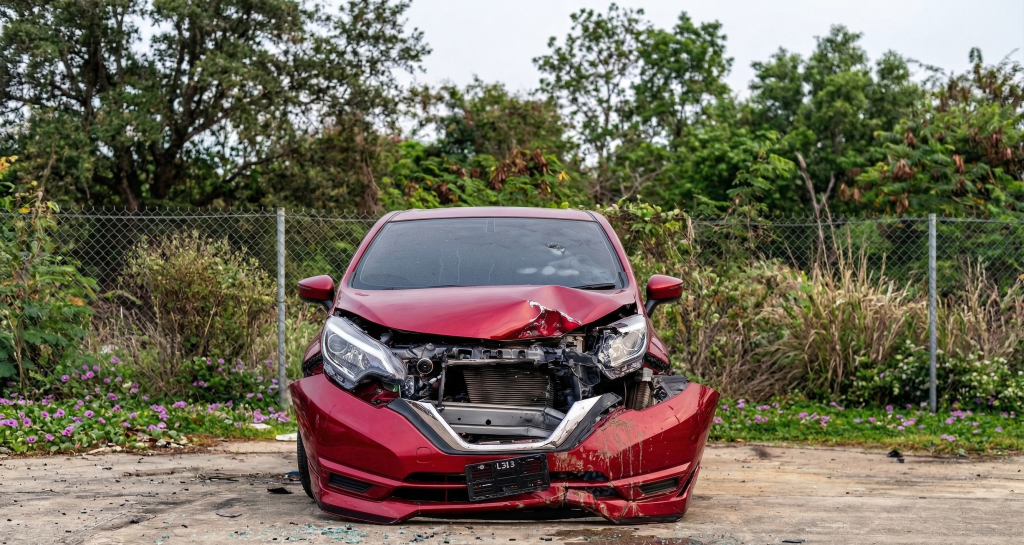
You may be able to insure a car with a salvage or rebuilt title, but the type of coverage you can get depends heavily on the title status, the vehicle’s condition, your state rules, and the insurance company. A rebuilt title vehicle is often easier to insure than a salvage title vehicle because it has usually been repaired and approved for road use. A salvage title vehicle can be much harder to insure, especially if it has not been rebuilt, inspected, or registered for legal driving.
The biggest issue is not just whether an insurer will sell you a policy. It is whether the policy will include only liability coverage or also allow collision and comprehensive coverage for damage to the vehicle itself. Many insurers are cautious with salvage and rebuilt vehicles because prior damage can make the car harder to value and riskier to repair.
This guide explains when you may be able to insure a salvage or rebuilt title car, what coverage may be limited, what to check before buying one, and how to avoid surprises after a claim.
Can You Insure a Car With a Salvage or Rebuilt Title?
Yes, in some cases, you can insure a car with a salvage or rebuilt title. However, a rebuilt title is usually more insurable than a salvage title. The reason is simple: a rebuilt title generally means the vehicle had serious damage in the past but was repaired and allowed back on the road after meeting state requirements.
A salvage title car may not be road legal yet. In many states, a vehicle with a salvage title must be repaired, inspected, and retitled before it can be registered and driven. A rebuilt title usually means the vehicle has gone through the required repair and inspection process, but the exact rules vary by state.
Because title-brand rules are state-specific, always check your state DMV or motor vehicle agency before assuming a salvage or rebuilt vehicle can be registered, driven, or insured.
Salvage Title vs. Rebuilt Title: What Is the Difference?
The difference between a salvage title and a rebuilt title matters because insurers treat them differently. A salvage title usually signals that the vehicle was seriously damaged or declared a total loss. A rebuilt title usually means the vehicle was previously salvage but has been repaired and passed the required inspection process.
| Title status | What it usually means | Insurance impact |
|---|---|---|
| Clean title | No major title brand showing a prior total loss | Usually the easiest to insure with liability, collision, and comprehensive options |
| Salvage title | The vehicle was seriously damaged or declared a total loss | May be difficult or impossible to insure for road use until repaired and retitled |
| Rebuilt title | The vehicle was previously salvage but has been repaired and approved for road use | Liability coverage may be available, but full coverage can be limited or harder to find |
Different states may use slightly different terms, such as rebuilt, reconstructed, prior salvage, flood, junk, nonrepairable, or branded title. Before buying a vehicle, verify the title brand with your state motor vehicle agency and review the vehicle history carefully.
Why Salvage and Rebuilt Title Cars Are Harder to Insure
Insurance companies are cautious with salvage and rebuilt vehicles because the car already has a history of major damage. Even if the vehicle looks good, hidden structural, electrical, frame, flood, airbag, or safety problems may remain.
Common reasons insurers may limit coverage include:
- Vehicle value is harder to determine: A rebuilt title car is usually worth less than a similar clean-title car.
- Prior damage can create claim disputes: After a new accident, it may be hard to separate old damage from new damage.
- Repairs may not be easy to verify: Insurers may want proof that repairs were completed properly.
- Safety concerns may remain: Some rebuilt vehicles have hidden issues even after passing inspection.
- Parts and labor costs can be unpredictable: Prior damage may make future repairs more complicated.
This does not mean every rebuilt car is unsafe or impossible to insure. It means you should expect more questions, fewer coverage options, and more documentation requests than you would with a clean-title vehicle.
What Coverage Can You Get on a Salvage or Rebuilt Title Car?
The coverage available depends on the insurer and whether the vehicle is legally registered for road use. In many cases, liability insurance is easier to get than coverage that protects the car itself.
| Coverage type | May be available? | What to know |
|---|---|---|
| Liability insurance | Often more likely | May help pay for injuries or property damage you cause to others |
| Collision coverage | Sometimes limited | May be harder to get because the vehicle’s value and prior damage are difficult to assess |
| Comprehensive coverage | Sometimes limited | May be restricted because rebuilt vehicles can create valuation and repair questions |
| Uninsured motorist coverage | Depends on state and insurer | May be available, but details vary by policy |
| Gap insurance | Often difficult or not useful | May not be available or may not make sense because rebuilt vehicles usually have lower market values |
If you are mainly trying to understand the difference between coverage for your own vehicle and coverage for other people, read our guide to car liability insurance explained.
Can You Get Full Coverage on a Rebuilt Title Car?
You may be able to get full coverage on a rebuilt title car, but it is not guaranteed. Some insurers may offer liability only. Others may consider collision and comprehensive coverage after reviewing photos, inspection documents, repair records, and the vehicle’s current condition.
Full coverage is not one official coverage type. It usually means a policy includes liability, collision, and comprehensive coverage. With a rebuilt title, the challenge is often the collision and comprehensive portion because those cover damage to the vehicle itself.
If an insurer agrees to provide physical damage coverage, ask how the vehicle will be valued after a total loss. A rebuilt title car may receive a lower payout than a similar clean-title vehicle because the title brand reduces market value.
For a broader explanation of what full coverage usually includes and excludes, see our guide to what full coverage car insurance means.
Collision and Comprehensive Coverage Can Be the Hardest Part
For salvage or rebuilt title vehicles, collision and comprehensive coverage can be the hardest part of the policy to secure. Liability coverage focuses on damage or injuries you cause to others. Collision and comprehensive focus on damage to your own vehicle, which creates more valuation problems for rebuilt cars.
Collision coverage may help pay for damage to your car after a crash. Comprehensive coverage may help with non-collision losses such as theft, vandalism, hail, fire, flood, or falling objects. However, if the car already had significant prior damage, the insurer may be cautious about paying for future physical damage claims.
Before buying a rebuilt vehicle, ask the insurer:
- Will you offer collision coverage on this car?
- Will you offer comprehensive coverage?
- Do you require photos, inspections, or repair records?
- How will you value the car after a total loss?
- Will the rebuilt title reduce the claim payout?
- Are there special exclusions for prior damage?
For more detail on how these two coverages work, read our guide to collision vs. comprehensive insurance.
Can You Insure a Salvage Title Car Before It Is Rebuilt?
Insuring a salvage title car before it is rebuilt can be difficult. If the vehicle is not legally roadworthy or cannot be registered for regular driving, many standard insurers will not offer a normal personal auto policy for road use.
Some limited coverage may exist for storage, transport, repair, or dealer-related situations, but that is different from regular insurance for everyday driving. If you are buying a salvage title car with plans to repair it, ask the insurer and your state motor vehicle agency what must happen before the vehicle can be insured for road use.
Do not assume you can buy a salvage vehicle, add it to your policy immediately, and drive it the same day. The vehicle may need repairs, documentation, inspection, title conversion, and registration before it can legally return to the road.
What Insurers May Ask For Before Covering a Rebuilt Car
Insurers may ask for more information before deciding whether to cover a rebuilt title vehicle. This is especially true if you want collision or comprehensive coverage.
Common documentation may include:
- Current title showing rebuilt or prior salvage status
- State inspection records
- Repair receipts and parts invoices
- Photos of the vehicle from multiple angles
- VIN history report
- Mechanic inspection report
- Proof of registration
- Odometer information
The more complete your records are, the easier it may be for an insurer to evaluate the vehicle. Missing documents do not always mean you cannot get insurance, but they can make the process harder.
Should You Buy a Car With a Salvage or Rebuilt Title?
A salvage or rebuilt title car may cost less upfront, but the lower purchase price can come with trade-offs. Insurance may be harder to find, resale value may be lower, financing may be limited, and future claim payouts may be smaller.
Before buying, take these steps:
- Get insurance quotes first: Do not buy the car and then discover only one insurer will cover it.
- Check the title history: Confirm whether the car is salvage, rebuilt, flood-damaged, nonrepairable, or branded in another way.
- Hire an independent mechanic: A pre-purchase inspection is especially important for rebuilt vehicles.
- Review repair records: Look for proof of what was damaged and how it was repaired.
- Compare market value carefully: A rebuilt title car should usually cost less than a comparable clean-title car.
- Ask about future resale: Selling a rebuilt title vehicle can be harder than selling a clean-title vehicle.
If insurers offer only limited coverage, compare whether liability-only protection is enough or whether you should avoid the vehicle altogether. A low purchase price may not be worth it if you cannot get the coverage your lender requires or the protection you personally want.
What About Financing and Gap Insurance?
Financing a salvage or rebuilt title car can be harder than financing a clean-title vehicle. Some lenders avoid branded title vehicles, while others may require a larger down payment, charge higher rates, or limit the vehicle types they will finance.
If you do finance the car, ask the lender what insurance it requires. A lender may want collision and comprehensive coverage, but not every insurer will offer those coverages on a rebuilt title car. This can create a problem if the lender requires coverage that is difficult to buy.
Gap insurance can also be complicated. Gap coverage is designed to help when you owe more on a vehicle than it is worth after a total loss. With a rebuilt title vehicle, the market value is often lower, and some gap providers may not offer coverage or may limit eligibility.
For a deeper explanation of how gap coverage works, see what gap insurance is and when you may need it.
How Claims Can Work With a Rebuilt Title Car
Claims involving rebuilt title vehicles can be more complicated because the insurer must evaluate both the new damage and the vehicle’s prior condition. If the car has old frame damage, replaced panels, prior flood history, or incomplete records, the claim review may take longer.
The payout may also be lower than many owners expect. A rebuilt title usually reduces the vehicle’s actual cash value compared with a similar clean-title vehicle. If the car is totaled again, the insurer may base the settlement on that reduced value, not on the price of a clean-title model.
To avoid claim disputes, keep these records:
- Before-and-after repair photos
- Receipts for major repairs
- Inspection reports
- Maintenance records
- Vehicle history reports
- Insurance underwriting documents
Good documentation does not guarantee a higher payout, but it can help show the vehicle’s condition before a new loss.
Best Way to Shop for Insurance on a Salvage or Rebuilt Title Car
Shopping for insurance on a salvage or rebuilt title vehicle takes more preparation than shopping for a clean-title car. The key is to be upfront with insurers from the beginning.
Use this process:
- Confirm the exact title brand.
- Verify whether the vehicle can be legally registered and driven.
- Collect inspection and repair documents.
- Ask insurers whether they cover rebuilt title vehicles.
- Compare liability-only and full coverage options.
- Ask how the vehicle would be valued after a total loss.
- Review deductibles, exclusions, and policy limits before buying.
Do not hide the title brand. If the insurer discovers the salvage or rebuilt history later, it could create problems with underwriting, renewal, or claims.
Final Thoughts: Insuring a Salvage or Rebuilt Title Car
Insuring a salvage or rebuilt title car is possible, but it is usually more complicated than insuring a clean-title vehicle. A rebuilt title car that has passed inspection and can be legally driven may qualify for liability coverage, and some insurers may offer collision and comprehensive coverage. A salvage title car that has not been rebuilt or approved for road use can be much harder to insure.
Before buying one, check the title history, get an independent inspection, collect repair records, and compare insurance quotes. The lower purchase price may be attractive, but the real cost depends on coverage availability, repair quality, claim value, financing options, and how much risk you are willing to carry yourself.
FAQs About Insuring a Salvage or Rebuilt Title Car
Can you insure a car with a salvage title?
It can be difficult to insure a salvage title car for regular road use if it has not been repaired, inspected, and approved for driving. Some coverage may exist for storage or repair situations, but a standard personal auto policy is often easier to get after the vehicle becomes rebuilt and road legal.
Can you insure a car with a rebuilt title?
Yes, many drivers can insure a rebuilt title car, but coverage options may be limited. Liability coverage may be easier to find, while collision and comprehensive coverage can depend on the insurer, inspection records, repair history, and vehicle condition.
Is insurance more expensive for a rebuilt title car?
It can be. Some insurers may charge more, limit coverage, or refuse certain physical damage coverages because rebuilt vehicles are harder to value and may have prior damage concerns. However, pricing depends on the insurer, driver profile, vehicle, location, and coverage level.
Can I get full coverage on a rebuilt title car?
Sometimes. Some insurers may offer liability, collision, and comprehensive coverage on a rebuilt title car, while others may offer liability only. Ask the insurer directly before buying the vehicle.
Does a rebuilt title affect claim payouts?
Yes, it can. A rebuilt title usually lowers the vehicle’s market value compared with a similar clean-title car. If the vehicle is totaled, the insurance payout may reflect that lower value.
Should I buy a salvage or rebuilt title car?
It depends on the price, repair quality, inspection history, title status, insurance availability, and your risk tolerance. Always get quotes and an independent inspection before buying.
Do lenders finance rebuilt title cars?
Some lenders may finance rebuilt title vehicles, but financing can be harder to find. If a lender requires collision and comprehensive coverage, confirm that an insurer will offer those coverages before you commit to the loan.