
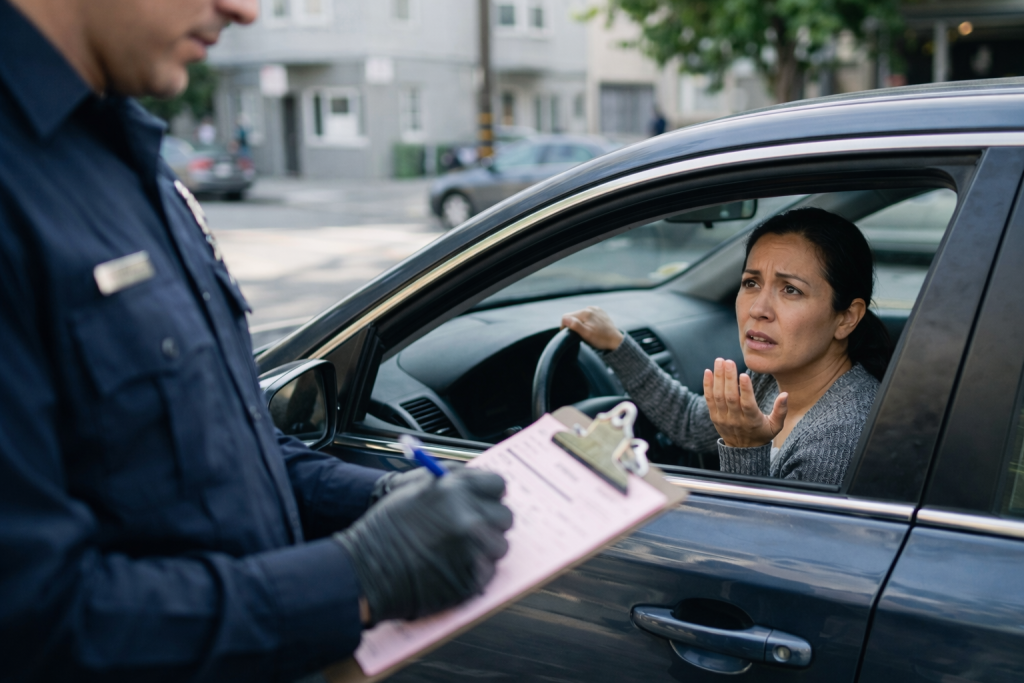
A speeding ticket can raise car insurance in Texas, but the impact is not the same for every driver. Your insurer may look at the severity of the ticket, your previous driving record, ZIP code, vehicle, coverage level, claims history, prior insurance history, credit-based insurance factors where allowed, and whether you have other violations.
For many Texas drivers, one ticket is a warning sign to compare quotes and review coverage. However, one speeding ticket does not always mean you are now a high-risk driver. The bigger concern is how your insurer rates that ticket and whether it combines with other problems, such as accidents, lapses, or multiple violations.
This guide explains how car insurance in Texas after a speeding ticket may work, when your insurer may find out, how long the ticket may affect pricing, and what you can do to look for cheaper coverage without making risky coverage decisions.
Will a Speeding Ticket Affect Car Insurance in Texas?
A speeding ticket may affect your car insurance in Texas. Insurers use driving history as one factor when they decide how much risk a driver represents. A ticket can signal a higher chance of future claims, so some companies may charge more after they review your record.
That does not mean your premium changes the same day you receive the ticket. In many cases, the impact depends on when your insurer checks your motor vehicle record and how the ticket appears in underwriting.
A driver with a long clean record may see a smaller impact than someone with several recent tickets. On the other hand, multiple speeding tickets can create a much bigger insurance problem because they show a pattern rather than a one-time mistake.
The most important point is simple: a ticket can matter, but the result depends on the driver, the insurer, and the policy situation.
When Will Your Insurance Company Find Out?
Your insurance company may not find out immediately after you receive a speeding ticket. Insurers usually review driving records at specific times, not every day.
A ticket may appear when the company checks your motor vehicle record during:
- a policy renewal;
- a new quote application;
- an underwriting review;
- a policy change that requires updated rating information;
- a move to a new insurer.
Timing can vary by company and situation. One insurer may review your record at renewal, while another may check it when you apply for a new policy. This is why some Texas drivers do not see an immediate increase but notice a higher price later.
You should also avoid assuming that a ticket will stay hidden. When you apply for new car insurance, companies can ask about recent violations and may verify your driving record. Giving accurate information helps prevent quote changes, policy problems, or underwriting issues later.
How Much Can a Speeding Ticket Raise Car Insurance in Texas?
There is no single rate increase that applies to every Texas driver. A speeding ticket can increase your premium, but the amount depends on the insurer, the ticket, your history, and your coverage.
A minor speeding ticket may have a smaller effect for a driver with a clean record. The impact may be larger for a young driver, a driver with multiple violations, someone with prior claims, or someone carrying full coverage on a costly vehicle.
| Situation | Possible Insurance Impact | What to Compare |
|---|---|---|
| One minor speeding ticket | May cause a moderate increase, depending on insurer rules and prior record. | Compare the same liability limits, deductibles, and optional coverages across several companies. |
| Multiple speeding tickets | Can create a stronger risk signal and may lead to higher quotes. | Compare standard insurers, regional insurers, and non-standard options if needed. |
| Speeding plus accident | May have a larger impact because the ticket combines with a claim or at-fault event. | Compare current coverage, deductibles, and whether accident-related surcharges apply. |
| Young driver with ticket | May face a bigger increase because younger drivers are already rated as higher risk. | Compare discounts, student options, telematics programs, and family policy options. |
| Driver with prior lapse | A lapse plus a ticket can make quotes more expensive and reduce company options. | Compare insurers that accept drivers with recent coverage gaps. |
| Driver with full coverage | The dollar increase may feel larger because the total policy premium is already higher. | Compare collision and comprehensive deductibles without cutting liability limits too far. |
The best way to know your real cost is to compare quotes. Do not rely on a generic average if your record, ZIP code, vehicle, and coverage limits are different from the example.
What Affects the Size of the Rate Increase?
Texas auto insurance after a speeding ticket is based on more than the ticket alone. Insurers combine many rating factors, which is why two drivers with the same violation may receive different prices.
| Factor | Why It Matters | What Texas Drivers Can Do |
|---|---|---|
| Ticket severity | A more serious speeding violation may be treated differently from a minor ticket. | Review how the violation appears on your record and compare insurers. |
| Prior driving record | A clean record may reduce the overall impact of one ticket, while several violations can make quotes higher. | Keep the rest of your record clean and avoid new violations. |
| Age and experience | Younger or less experienced drivers often pay more already. | Ask about student, driver training, or telematics discounts where available. |
| ZIP code | Location affects claim frequency, repair costs, theft risk, and local pricing. | Compare quotes using your real garaging address. |
| Coverage level | Higher limits and full coverage usually cost more than minimum-only coverage. | Compare the same limits before deciding whether to change coverage. |
| Vehicle type | Repair costs, theft risk, safety features, and performance can affect rates. | Get quotes before buying a different vehicle. |
| Claims and insurance history | Prior claims or coverage lapses can make a ticket more expensive. | Keep coverage active and ask whether claims history is affecting your quote separately. |
| Credit-based insurance factors | Where allowed, some insurers may use credit-based factors as part of pricing. | Compare companies because rating models can vary widely. |
If your premium was already rising before the ticket, the violation may not be the only reason. It can help to review broader pricing factors, including why car insurance is so expensive in the first place.
How Long Can a Speeding Ticket Affect Car Insurance?
A speeding ticket can affect insurance for multiple policy periods, but there is no exact timeline that fits every Texas driver. The impact depends on the insurer, the age of the violation, your record, and how the company reviews driving history.
Many insurers weigh recent violations more heavily than older ones. That means a ticket may matter more soon after it appears and less as time passes, especially if you avoid new tickets, accidents, and claims.
The practical move is to compare quotes again as the ticket gets older. A company that was expensive right after the ticket may become more competitive later. Your current insurer may also rate the ticket differently at future renewals.
Do not assume your rate will automatically drop on a specific date. Instead, mark your renewal period, check your driving record if needed, and compare options when the ticket is no longer recent.
Can You Avoid a Car Insurance Increase After a Speeding Ticket?
You may not always be able to avoid a car insurance increase after a speeding ticket. The outcome depends on the ticket status, court rules, eligibility for any available options, insurer rules, and whether the violation appears on your driving record.
From an insurance perspective, the safest strategy is usually straightforward:
- avoid new violations;
- keep coverage active;
- compare quotes before renewal;
- answer quote questions accurately;
- review coverage before making cuts.
If you are eligible for a court-approved option, confirm the rules directly with the appropriate court or official source. Do not rely on insurance advice alone for legal decisions.
Best Ways to Find Cheaper Car Insurance After a Speeding Ticket in Texas
You can still shop for cheaper car insurance after a speeding ticket in Texas. The key is to compare carefully and avoid reducing protection in a way that creates bigger financial risk later.
- Compare several insurers. One company may rate a speeding ticket more harshly than another.
- Use the same coverage limits and deductibles. Otherwise, the cheaper quote may only be cheaper because it offers less protection.
- Avoid coverage lapses. A lapse can make a ticket look worse from an underwriting perspective.
- Ask about discounts. Bundling, paid-in-full, paperless billing, safe vehicle features, and other discounts may help.
- Consider telematics carefully. A usage-based program may help safe drivers, but it may not fit everyone.
- Keep a clean record after the ticket. New violations can make the increase worse.
- Review deductible options. A higher deductible may lower the bill, but only choose one you could afford after a claim.
- Do not reduce liability limits too far. A lower bill is not helpful if it leaves you underprotected after a serious crash.
If your main goal is statewide savings, compare this page with a broader guide to cheap car insurance in Texas. That page can help with general savings ideas, while this one focuses on the specific impact of a speeding ticket.
Speeding Ticket vs. High-Risk Car Insurance in Texas
One speeding ticket does not always place a driver in the high-risk category. Many insurers treat one minor violation differently from repeated tickets, serious violations, DUI or DWI history, SR-22 requirements, coverage lapses, or multiple claims.
The difference matters because car insurance after a speeding ticket in Texas is a narrower issue. You are mainly trying to understand how one violation affects your rate and how to compare quotes after it appears.
High-risk insurance is broader. It may involve drivers who have several issues at the same time, such as accidents, major violations, suspended license history, or repeated coverage problems. If your situation includes more than one ticket or another serious rating issue, read the dedicated guide to high-risk car insurance in Texas.
Should You Change Coverage After a Speeding Ticket?
Do not immediately drop important coverage just because your rate increased. It is normal to look for savings after a ticket, but cutting the wrong protection can create a bigger problem after an accident.
Minimum coverage may reduce your monthly bill, but it may also leave you with less protection if you cause serious damage. Full coverage may still make sense if your vehicle is financed, leased, newer, or valuable.
Instead of removing coverage too quickly, review liability limits, collision and comprehensive deductibles, rental reimbursement, roadside assistance, uninsured motorist options, and any lender requirements.
If you carry full coverage, compare your options carefully with a guide to cheapest full coverage car insurance in Texas. The goal is not just to find the lowest price. It is to find a policy that still protects the vehicle and your finances.
Companies Texas Drivers May Want to Compare After a Ticket
No company is cheapest for every Texas driver after a speeding ticket. Rating models vary, and the best option depends on your location, vehicle, driving history, coverage needs, and eligibility for discounts.
Texas drivers may want to compare national insurers, Texas-focused or regional insurers, non-standard insurers, USAA if eligible, and independent agents. Examples may include State Farm, GEICO, Progressive, Allstate, Farmers, Texas Farm Bureau, and regional carriers, but none is guaranteed to be cheapest for everyone.
| Company Type | Why It May Help | What to Check |
|---|---|---|
| National insurers | They often offer online quotes, broad coverage options, and multiple discounts. | Check how they rate a recent speeding ticket and whether discounts still apply. |
| Texas-focused or regional insurers | Some may price certain Texas drivers more competitively than national carriers. | Compare customer service, coverage options, and local agent access. |
| Non-standard insurers | They may accept drivers who have violations or other rating problems. | Review coverage limits, fees, payment terms, and complaint patterns carefully. |
| Independent or local agents | They can quote multiple companies and may know which carriers are more flexible. | Ask which companies they checked and whether coverage limits match your current policy. |
| Usage-based programs | Safe driving habits may help some drivers offset higher pricing. | Understand what data is tracked and whether poor driving results could hurt your rate. |
For a broader company comparison, see the guide to best car insurance companies in Texas. Use that page for overall company research, then compare quotes based on your ticket and driver profile.
When a Speeding Ticket Combines With Other Rating Problems
A speeding ticket can become more expensive when it combines with other rating issues. The ticket may not be the only reason your quote is high.
Common issues that can make insurance after a speeding ticket in Texas more expensive include bad credit or weaker credit-based insurance factors where allowed, at-fault accidents, coverage lapses, young driver status, multiple claims, an expensive vehicle, or a ZIP code with higher claim frequency or repair costs.
If credit-based pricing is part of your concern, review the separate guide to car insurance in Texas with bad credit. That topic has its own pricing factors and should not be mixed too deeply with a speeding ticket guide.
Common Mistakes to Avoid After a Speeding Ticket
After a speeding ticket, many drivers focus only on the new premium. That is understandable, but a rushed decision can lead to weaker coverage or higher long-term costs.
- Assuming your current insurer will still be the cheapest.
- Shopping with different coverage limits and comparing quotes unfairly.
- Letting coverage lapse while looking for another policy.
- Dropping important coverage too quickly.
- Choosing a deductible you cannot afford after a claim.
- Ignoring discounts that may still apply.
- Failing to shop again after the ticket gets older.
- Hiding violations when applying for quotes.
Frequently Asked Questions
Will a speeding ticket raise my car insurance in Texas?
It can. A speeding ticket may raise your car insurance in Texas, but the impact depends on the insurer, the ticket, your driving history, coverage level, and other rating factors.
How much does insurance go up after a speeding ticket in Texas?
There is no single amount that applies to every driver. A minor ticket with a clean record may have a smaller impact, while multiple violations, accidents, young driver status, or full coverage can make the increase larger.
When will my insurer find out about a speeding ticket?
Your insurer may find out when it reviews your motor vehicle record. This may happen at renewal, when you apply for a new policy, or during an underwriting review.
How long does a speeding ticket affect insurance in Texas?
A speeding ticket may affect insurance for multiple policy periods, depending on the insurer and how it weighs recent violations. Older tickets may matter less over time if your record improves.
Can I get cheap car insurance after a speeding ticket in Texas?
Yes, it may still be possible to find cheaper coverage. Compare several insurers, keep coverage active, ask about discounts, and shop again at renewal as the ticket gets older.
Is one speeding ticket considered high-risk?
Not always. One minor speeding ticket does not automatically make every driver high-risk. Multiple tickets, serious violations, accidents, lapses, or SR-22 requirements can create a broader high-risk situation.
Should I switch insurance companies after a speeding ticket?
You do not have to switch automatically, but you should compare quotes. Your current insurer may still be competitive, or another company may rate the ticket more favorably.
Should I lower coverage after a speeding ticket?
Be careful. Lowering coverage can reduce your bill, but it may leave you underprotected. Review deductibles, optional coverages, and liability limits before making changes.
Can defensive driving help with insurance after a ticket?
It depends on court rules, eligibility, insurer rules, and how the ticket is handled. Check official court information before making legal decisions. From an insurance perspective, ask your insurer whether any driver course discount is available.
Do all insurance companies treat speeding tickets the same way?
No. Insurance companies use different rating models. One insurer may charge much more after a speeding ticket, while another may be more competitive for the same driver profile.